

How Guides Track Tigers in Ranthambore: 7 Jungle Signs to Watch
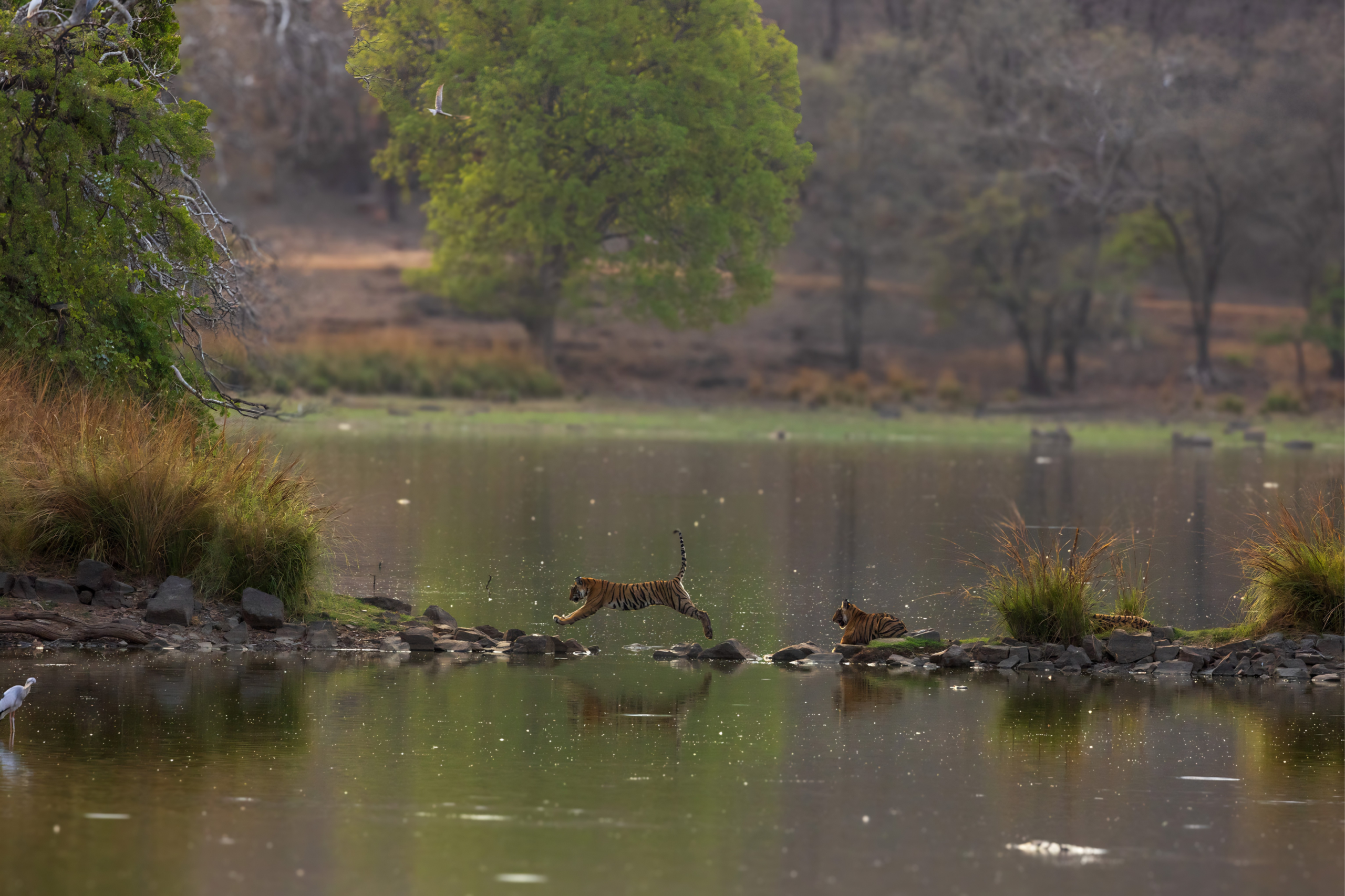
Seeing a tiger in the wild is one of the most exhilarating experiences a traveller can have. But a Ranthambore safari is more than just a drive in the forest.
Behind every great tiger spotting is a process of observation and deduction.
Guides and drivers are trained to read the jungle, looking out for pugmarks, alarm calls from deer and langurs, scent marking, scratches on trees, scat, signs of movement near waterholes and changes in animal behaviour.
Learning to read these signs can turn a Ranthambore safari into an all-encompassing wildlife experience, not just a tiger hunt.
How Do Guides Track Tigers in Ranthambore?
Tracking a tiger is never an exact science. The Rajasthan Forest Department’s tiger monitoring guidelines help conservationists track big cats and other carnivores using pugmark trails, scat, scrapes, scent marking, rake marks on trees, sightings, kills and calls.
On a Ranthambore safari, guides and drivers use these clues to piece together information about the tiger and its movements. The key is to remember that each sign is only a piece of the tracking puzzle.
1. Tiger Pugmarks: Reading Footprints in the Dust
The most obvious tiger sign is the pugmark. But it’s not as simple as spotting a footprint and declaring that there’s a tiger nearby.
The dry climate and dusty roads of Ranthambore can sometimes preserve animal footprints, making it easier for an expert tracker to identify the animal and read its trail. A trail of pugmarks can indicate the direction the big cat has taken.
But an experienced tracker will look beyond the obvious. He or she might consider:
The clarity of the print
The direction of the trail
Whether a trail consists of multiple pugmarks
The condition of the soil
Other signs in the area
The Rajasthan Forest Department’s tiger monitoring guidelines actually include pugmark trails as a sign for tiger and leopard conservation.
For a safari-goer, that means that a trail of pugmarks can be an intriguing wildlife clue, one that helps the guide determine the animal’s trail and whether it’s worth pursuing.
2. Alarm Calls: When the Jungle Gives Away its Secrets
Sometimes the best tiger signs are auditory. Spotted deer, sambar, nilgai and langurs can give away the location of a predator through their alarm calls.
An experienced guide will know how to interpret these calls and what action to take next. A sudden burst of sound from langurs or deer doesn’t always mean there’s a tiger nearby, since other carnivores can also trigger alarm calls in these animals.
So the most a guide can do upon hearing these sounds is to stop the vehicle and listen.
If the calls continue from the same area or if there are signs of other animals being agitated, it’s worth investigating further. That’s why it’s important for safari-goers to keep quiet while in the jungle.
3. Scat: An Unlikely Tiger Sign
Tiger droppings might not be the most appealing sight for a wildlife enthusiast, but they can provide vital information for a tracker.
The Rajasthan Forest Department’s tiger monitoring guidelines include scat in a list of indirect signs for carnivore surveying. The guidelines also note varying degrees of freshness for each sign.
For a safari-goer, the most important takeaway is that wildlife tracking is a multi-faceted process.
Sometimes the signs of an animal are subtle, but they can be just as important as a trail of pugmarks or fresh kills.
4. Scrapes and Scent Marks: Clues to a Tiger's Movements
Tigers are territorial animals that scent mark their territory to establish dominance. These markings, along with scrapes and other signs, can help a guide determine whether there are tigers in the area and how they’re behaving.
The Rajasthan Forest Department’s monitoring guidelines include scent marks and other signs for tiger and leopard conservation.
As with other signs, the value of scent marking depends on the situation and the expertise of the guide.
A seasoned tracker can combine these signs with other clues to determine the best course of action. So when the guide stops the vehicle to investigate a scrape, it’s best to ask what the sign means and how it informs the search for tigers.
5. Rake Marks on Trees: Following the Clues
Have you ever wondered what those marks on trees in the jungle mean? It turns out that they’re just one of several signs left by tigers and other animals.
The Rajasthan Forest Department’s monitoring guidelines for tigers and leopards actually include rake marks on trees as signs for conservation.
Like all other wildlife signs, rake marks on trees are most useful when combined with other clues. An experienced guide will look at the mark and its location before deciding what to do next.
That’s why a good guide can spot signs that a first-time visitor might miss
6. Water Sources: Clues to a Tiger's Location
Water sources play an important role in the Ranthambore landscape. The reserve includes lakes, water bodies, valleys and even seasonal waterholes within the dry deciduous forest.
Ranthambore’s terrain is characterised by a mix of hills, crags, meadows, lakes and rivulets, according to Rajasthan Tourism.
These water sources are vital for animals during the hot summer months.
But that doesn’t mean that a waterhole is always a good place to spot a tiger. Wildlife sightings are never guaranteed, and animals move around according to their needs and the availability of resources.
So while water sources are an important part of the Ranthambore ecosystem, they’re only one piece of a much larger puzzle.
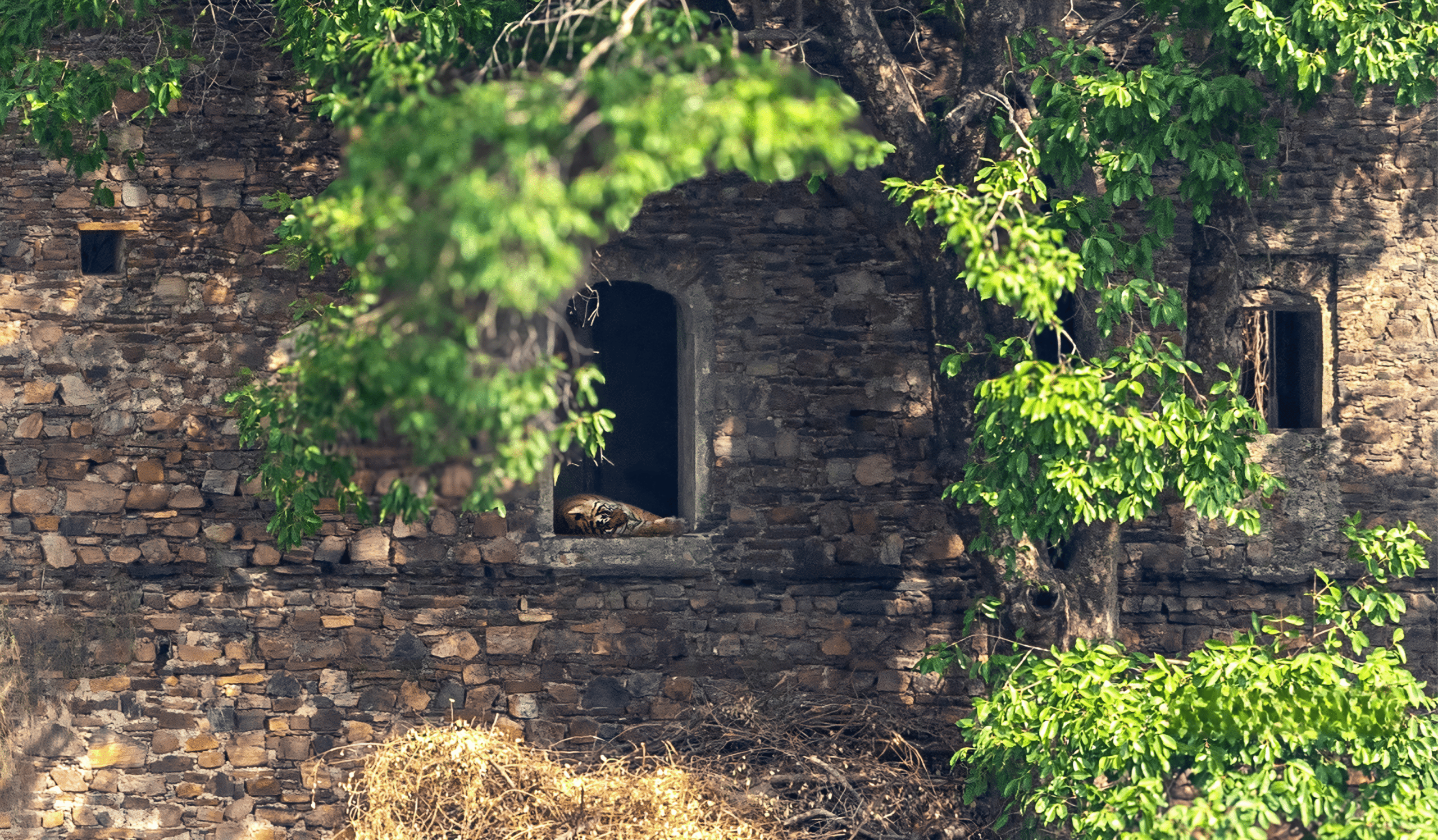
7. Animal Behaviour: A Good Guide Knows What to Look For
One of the most important lessons for a Ranthambore safari-goer is that the journey is about more than just spotting a tiger.
Look out for deer, langurs, birds and other animals. Watch how the forest changes around you with every turn of the road.
A sudden change in the behaviour of a group of chital or langurs can be the first sign of a tiger nearby. A good guide will notice it before the turn of the vehicle. So while the guide might stop to investigate, it’s not always a sign that there’s a tiger nearby.
The forest and its animals are an interconnected system, with each species influencing the behaviour of the others. The next time you’re on a Ranthambore safari, observe the forest around you. Watch out for changes in the behaviour of animals. These are the most valuable signs when it comes to finding tigers.
Why Morning Safaris Can Be Better for Tracking
The best time for a Ranthambore safari depends on the traveller and what they hope to experience. Rajasthan Tourism notes that the reserve is open to visitors from October to June.
A morning drive can be a great way to beat the heat, and it allows for cooler temperatures and active wildlife behaviour throughout the day.
But there’s no magic time of day for a tiger sighting.
The reality is that a good wildlife experience is dependent on animal movement, weather, terrain, tracking, patience and luck.
What Should You Do When Your Guide Stops the Vehicle?
If your guide spots something interesting and decides to stop the vehicle, what should you do?
This is the moment when a Ranthambore safari becomes more than just a drive in the jungle. It’s important to give the guide space to investigate, but it’s also a great opportunity to see wildlife.
So here are a few things to do when the guide stops the vehicle:
Be quiet
Look out for signs
Listen for alarm calls
Look for movement
Ask the guide about the signs
Avoid sudden movements
Give wildlife a wide berth
A tiger sighting can happen at any moment, but it’s just as likely that nothing will happen. Both are part of the Ranthambore safari experience.
Why Tiger Sightings Are Never Guaranteed
Unfortunately for wildlife enthusiasts, there’s no guarantee that a Ranthambore safari will lead to a tiger sighting. The truth is that the reserve is a natural habitat, not a zoo.
The Rajasthan Forest Department notes that tourism hotspots are managed using zonation and carrying capacity to help control tourism and conserve the forest.
Wildlife sightings are unpredictable, as animals move freely within their habitat.
That’s what makes a Ranthambore safari so special.
The Real Skill Behind a Ranthambore Safari
The real skill behind a Ranthambore safari is understanding how the jungle works. A good guide knows how to use pugmarks, alarm calls, scat, scratches on trees, animal behaviour, terrain and water sources to determine what’s happening in the forest.
Sometimes these clues lead to a tiger sighting, and sometimes they don’t. But either way, a Ranthambore safari is much more rewarding when you know how to read the jungle.
Final Thoughts
A Ranthambore safari is more than just a tiger hunt. It’s about understanding the jungle and learning to read the signs. A footprint in the dust, a sudden burst of alarm calls from sambar or langurs, scratches on a tree or an unusually agitated group of langurs can all be part of a much bigger picture.
The next time you’re on a Ranthambore safari, don’t just ask your guide, “Where is the tiger?” Ask, “What is the jungle telling us?” That’s the real magic of a Ranthambore safari.
Plan Your Ranthambore Safari
Ready to explore Ranthambore with expert guidance?
Check out Ranthambore Rout
es for curated wildlife experiences, safari assistance and travel planning in and around Ranthambore


