

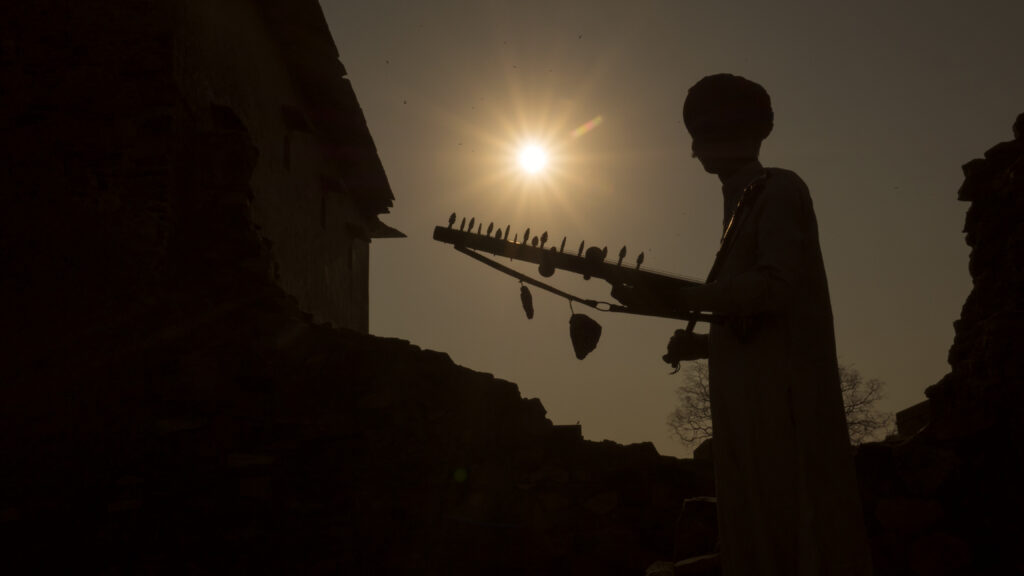

Rising dramatically above the forests of Ranthambore National Park, Ranthambore Fort is one of Rajasthan’s most iconic historical monuments. While many travelers visit the region hoping to spot Bengal tigers, they often discover another treasure waiting atop the hills—a fortress that has stood witness to centuries of history.
Recognized as part of the UNESCO World Heritage Site known as the Hill Forts of Rajasthan, Ranthambore Fort represents a remarkable blend of military architecture, cultural heritage, and historical significance.
But what exactly makes this fort worthy of international recognition?
To understand its UNESCO status, we must explore its fascinating past, strategic design, cultural importance, and lasting influence on Rajasthan’s heritage.
Introduction
Rising dramatically above the forests of Ranthambore National Park, Ranthambore Fort is one of Rajasthan’s most iconic historical monuments. While many travelers visit the region hoping to spot Bengal tigers, they often discover another treasure waiting atop the hills—a fortress that has stood witness to centuries of history.
Recognized as part of the UNESCO World Heritage Site known as the Hill Forts of Rajasthan, Ranthambore Fort represents a remarkable blend of military architecture, cultural heritage, and historical significance.
But what exactly makes this fort worthy of international recognition?
To understand its UNESCO status, we must explore its fascinating past, strategic design, cultural importance, and lasting influence on Rajasthan’s heritage.
What Is a UNESCO World Heritage Site?
Before understanding Ranthambore Fort’s recognition, it helps to know what UNESCO World Heritage status means.
The United Nations Educational, Scientific and Cultural Organization (UNESCO) identifies places of exceptional cultural or natural importance to humanity.
Sites are selected based on strict criteria, including:
✓ Historical significance
✓ Architectural excellence
✓ Cultural value
✓ Preservation of heritage
✓ Outstanding universal importance
Only locations considered valuable to all humanity receive this prestigious recognition.
When Did Ranthambore Fort Receive UNESCO Recognition?
In 2013, Ranthambore Fort was officially included in UNESCO’s Hill Forts of Rajasthan World Heritage listing.
This recognition grouped Ranthambore Fort with several other legendary forts across Rajasthan that collectively represent the state’s rich military and cultural history.
The inclusion highlighted the fort’s exceptional contribution to Indian heritage and global historical understanding.
Part of the Hill Forts of Rajasthan
Ranthambore Fort is one of six forts included in UNESCO’s Hill Forts of Rajasthan collection.
These forts showcase the evolution of Rajput military architecture and the strategic use of rugged landscapes for defense.
The six UNESCO-listed forts are:
- Chittorgarh Fort
- Kumbhalgarh Fort
- Amber Fort
- Jaisalmer Fort
- Gagron Fort
- Ranthambore Fort
Together, they represent centuries of Rajput engineering, governance, and cultural achievement.
Strategic Location Unlike Any Other
One of the key reasons for UNESCO recognition is the fort’s extraordinary location.
Built approximately 700 feet above the surrounding plains, Ranthambore Fort occupies a naturally defensive position atop a rocky hill.
Its location provided:
- Exceptional visibility
- Natural protection
- Military advantage
- Control over surrounding territories
The fort’s builders skillfully integrated natural terrain into its defensive system, creating one of the strongest fortifications of its era.
This strategic brilliance remains visible even today.
A Fortress That Witnessed Centuries of History
Ranthambore Fort has played an important role in Indian history for centuries.
The fort witnessed:
- The rise of Rajput kingdoms
- The reign of the Chauhan dynasty
- The rule of Hammir Dev Chauhan
- The famous siege by Alauddin Khalji
- Mughal expansion across Rajasthan
- Colonial-era changes
Few monuments in India can claim such a long and eventful historical journey.
Its walls continue to tell stories of bravery, conflict, and resilience.
The Legacy of Rajput Architecture
Another reason for UNESCO recognition is the fort’s architectural significance.
Ranthambore Fort reflects the ingenuity of Rajput builders who designed structures capable of withstanding prolonged sieges and harsh environmental conditions.
Key architectural features include:
✓ Massive defensive walls
✓ Strong gateways
✓ Watchtowers
✓ Ancient reservoirs
✓ Stepwells
✓ Palaces
✓ Temples
These structures demonstrate how architecture was adapted to both military needs and everyday life.
A Perfect Example of Human and Natural Harmony
Unlike many historical monuments, Ranthambore Fort exists within a thriving natural ecosystem.
The fortress overlooks forests, lakes, valleys, and wildlife habitats that are now protected as part of Ranthambore National Park.
This rare combination of:
- Historical heritage
- Natural beauty
- Wildlife conservation
creates a unique cultural landscape that few places in the world can match.
UNESCO values sites that showcase the relationship between human civilization and the natural environment, making Ranthambore an exceptional example.
Home to Ancient Temples and Sacred Sites
The fort’s significance extends beyond military history.
Several religious structures inside the fort continue to attract pilgrims and visitors.
Among the most important is:
Trinetra Ganesh Temple
Dedicated to Lord Ganesha, this temple is considered one of Rajasthan’s oldest and most revered Ganesh shrines.
Thousands of devotees visit each year to offer prayers and seek blessings.
The continued use of these sacred spaces demonstrates the fort’s living cultural heritage.
Symbol of Rajput Courage and Resistance
Throughout history, Ranthambore Fort became a symbol of Rajput bravery.
Its defenders resisted powerful invading forces and fought to preserve their independence.
The stories of rulers such as Hammir Dev Chauhan remain deeply rooted in Rajasthan’s folklore and cultural memory.
These stories contribute significantly to the fort’s historical importance and help explain why it continues to inspire visitors today.