Flora
The landscape of Ranthambore is shaped by a distinctive tropical dry deciduous forest ecosystem, where trees, shrubs, grasses and plants have adapted to the region’s hot and relatively dry conditions. The forest changes noticeably with the seasons, from greener landscapes after the monsoon to a much drier appearance during the summer months. Among the most characteristic trees is Dhok (Anogeissus pendula), which forms a major part of the forest cover. Along with Dhok, the reserve supports a diverse mix of trees and vegetation around its hills, valleys, lakes and seasonal watercourses, creating essential habitat and food sources for the wildlife of Ranthambore.
Dhok (Anogeissus pendula): One of the dominant tree species of the Ranthambore landscape and a defining feature of its dry deciduous forests.
Khair (Acacia catechu): Found particularly in the valleys and mixed forest areas.
Amaltas (Cassia fistula): Known for its distinctive yellow flowers and found in parts of the reserve.
Gurjan: Present among the mixed vegetation of the reserve.
Banyan (Ficus benghalensis): Large trees that provide shade, shelter and food for various species.
Pipal (Ficus religiosa): Another important fig species found within the reserve.
Gular (Ficus racemosa): Found particularly around areas with greater moisture and along watercourses.
Ber (Ziziphus species): A hardy shrub/tree adapted to dry conditions and part of the reserve’s vegetation.
Bamboo: Occurs in parts of the reserve, particularly in suitable moist and riparian areas.
Grasses and shrubs: The forest floor and open areas contain a variety of grasses, herbs and shrubs that contribute to the habitat and provide food for herbivores.
The flora of Ranthambore is much more than a backdrop to its famous wildlife. The vegetation provides food, shade, shelter and breeding habitat for countless species, while trees and grasses around lakes and seasonal streams create important areas for wildlife during the dry season. The relationship between the forest and its inhabitants is particularly visible on safari, where deer and other herbivores feed among the vegetation while birds use trees and water sources throughout the landscape. Exploring Ranthambore with an appreciation for its plant life reveals another important part of the ecosystem that makes this remarkable wilderness possible.
Fauna
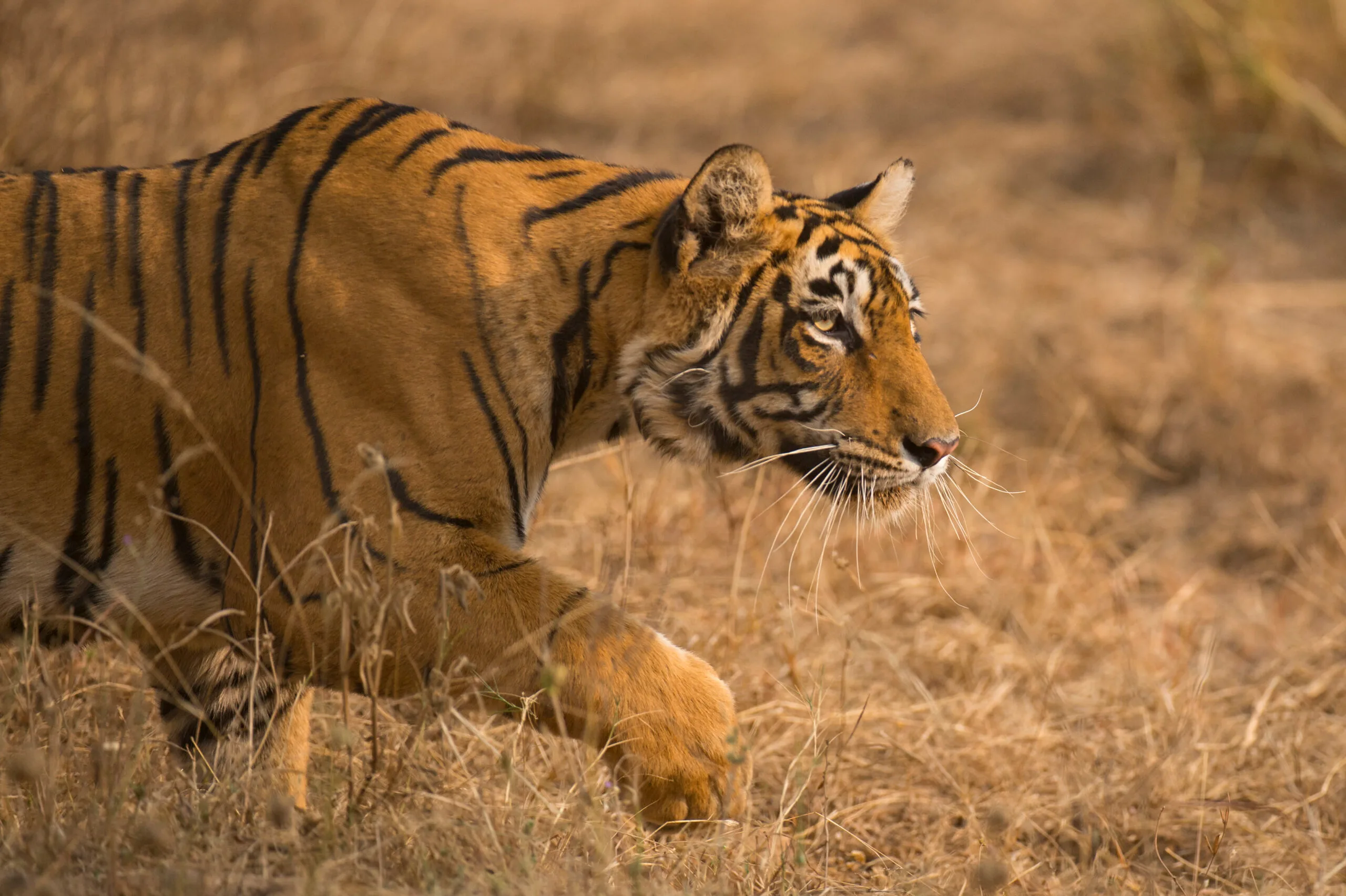
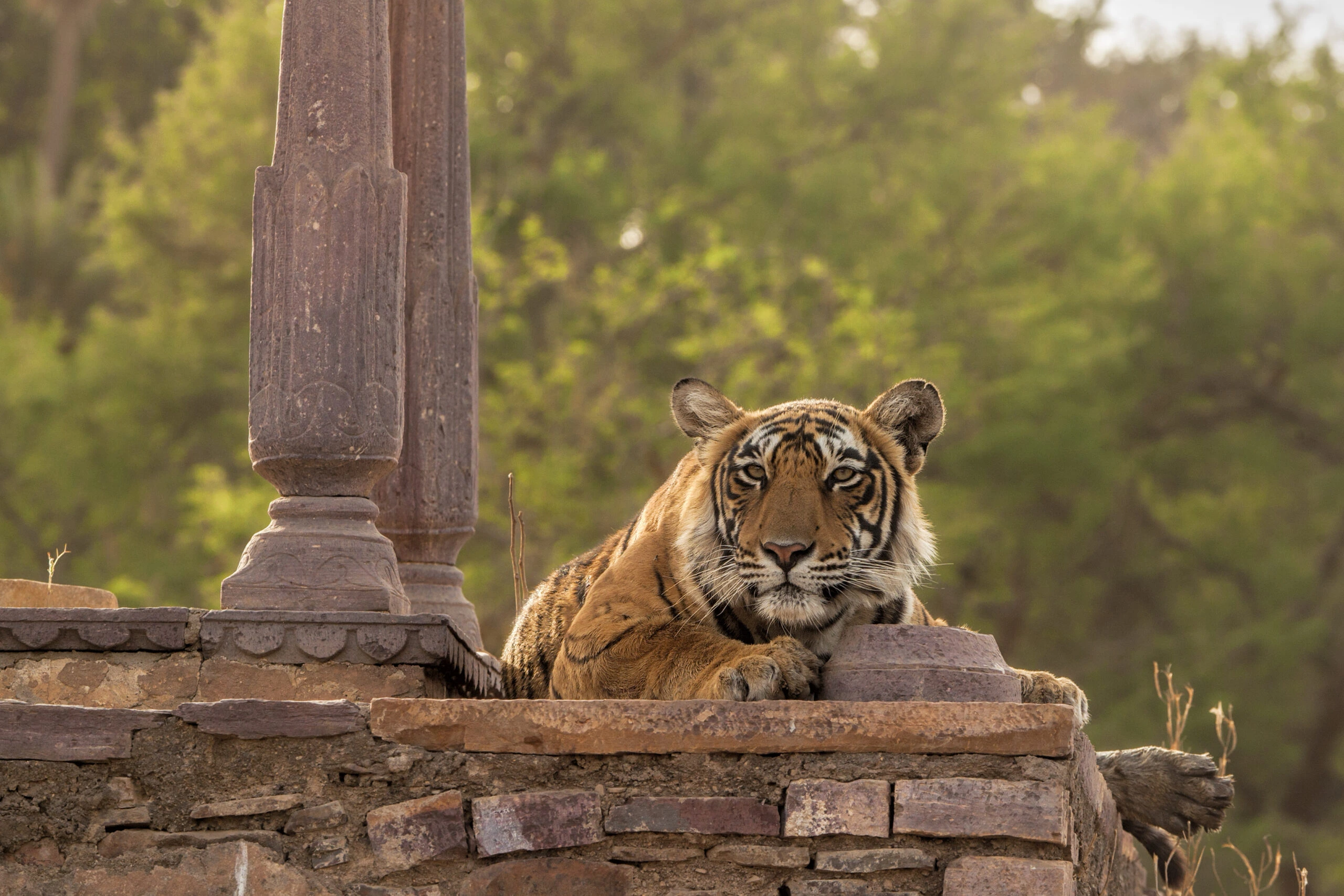
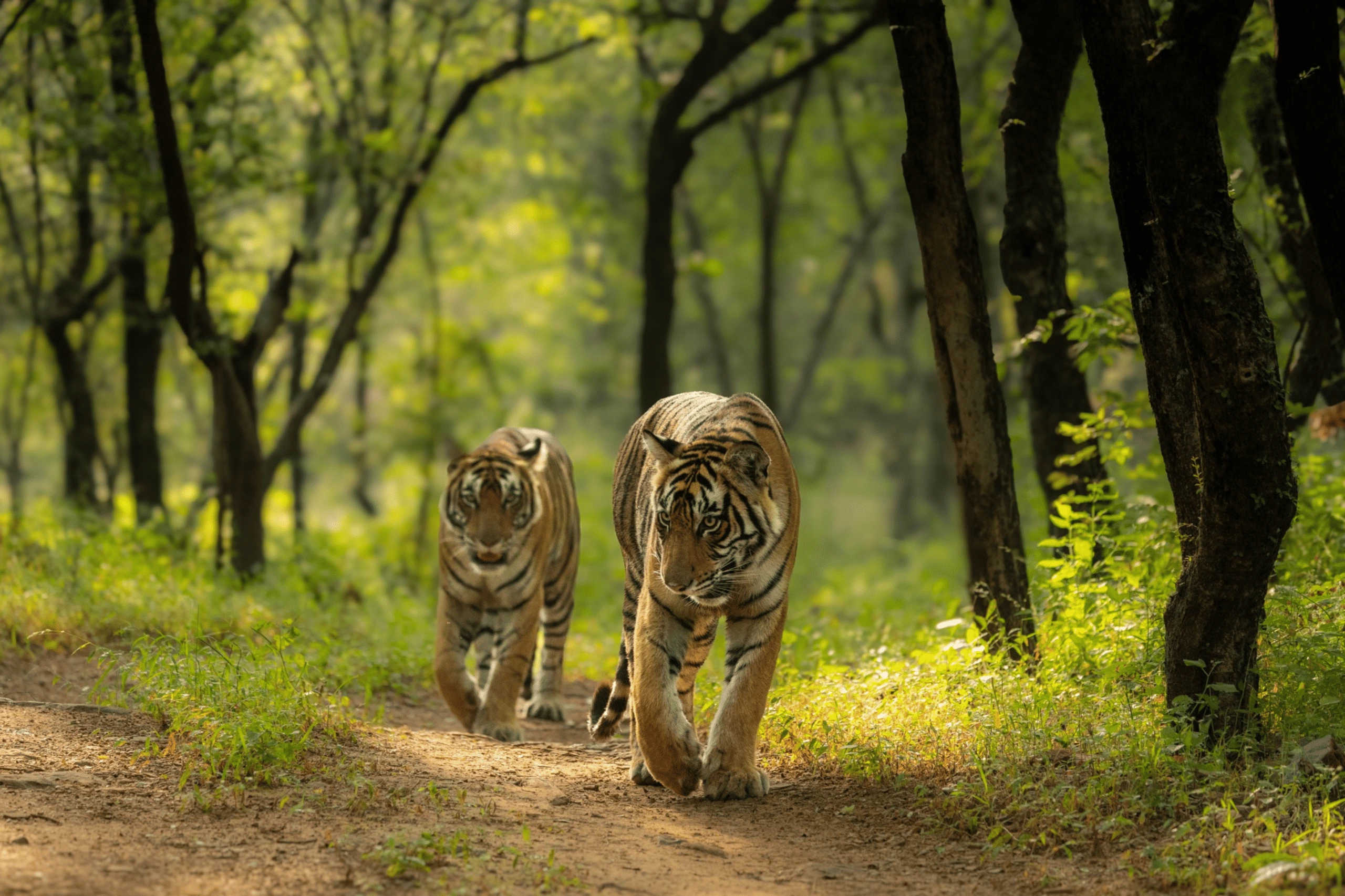
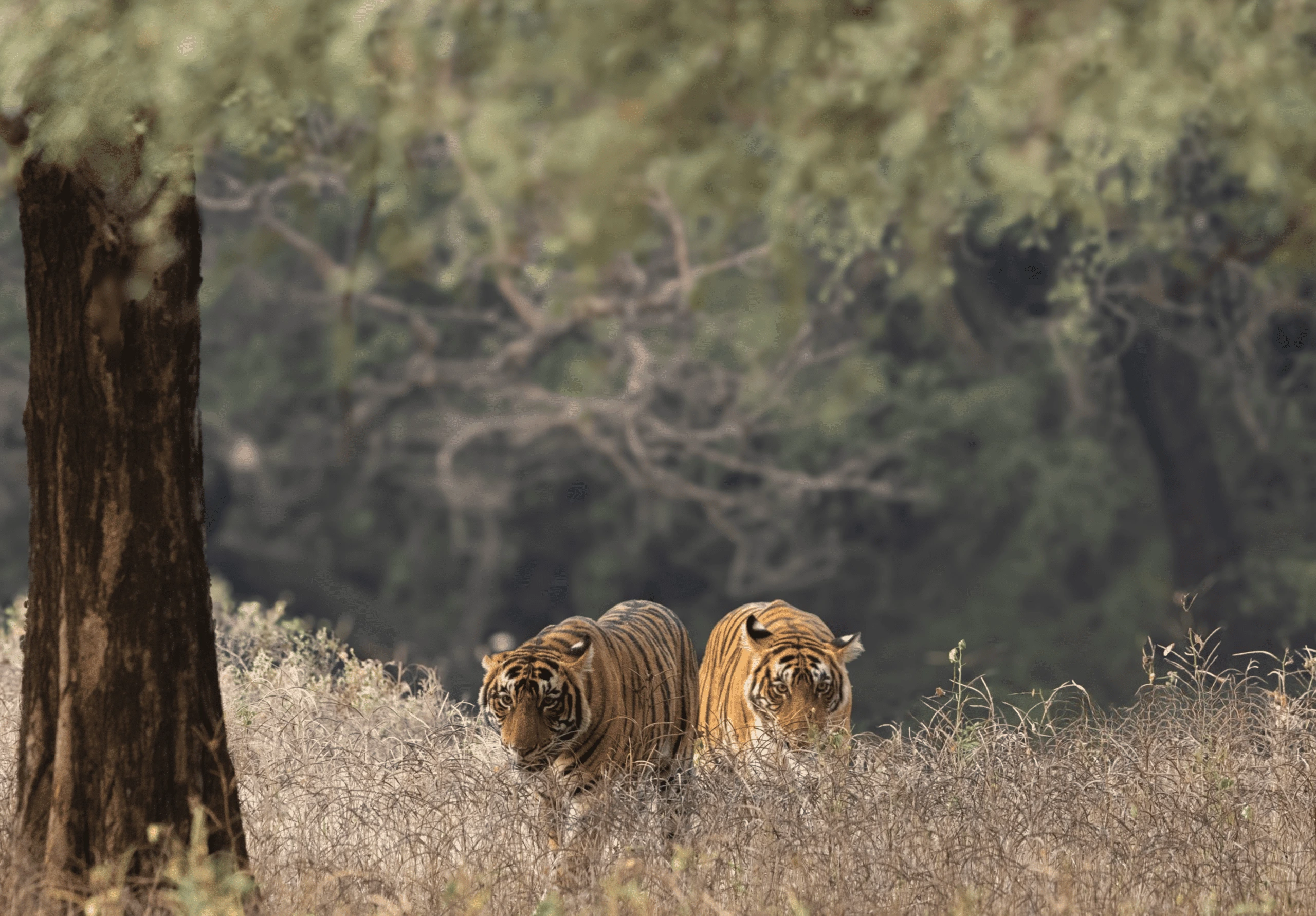
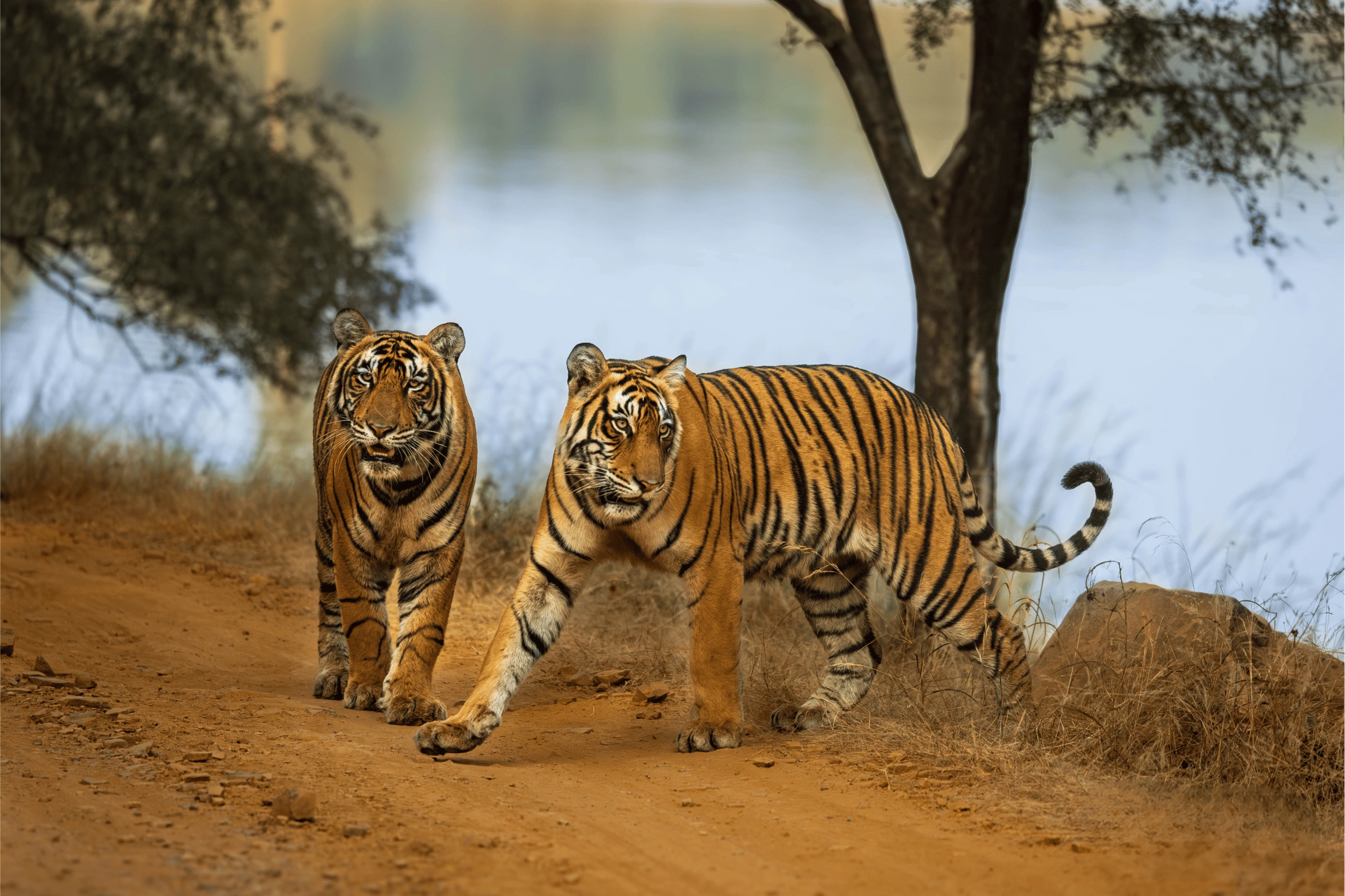
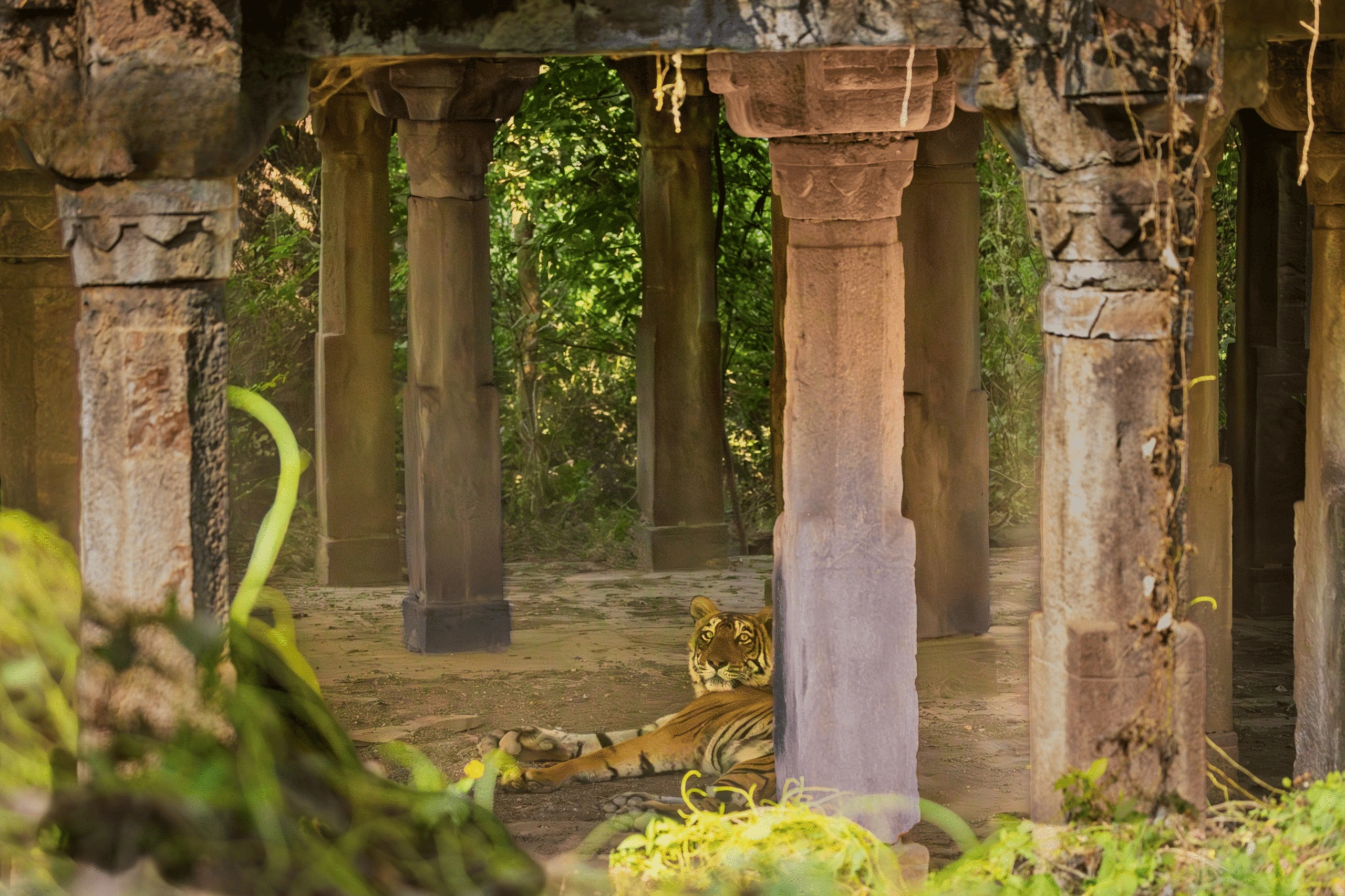
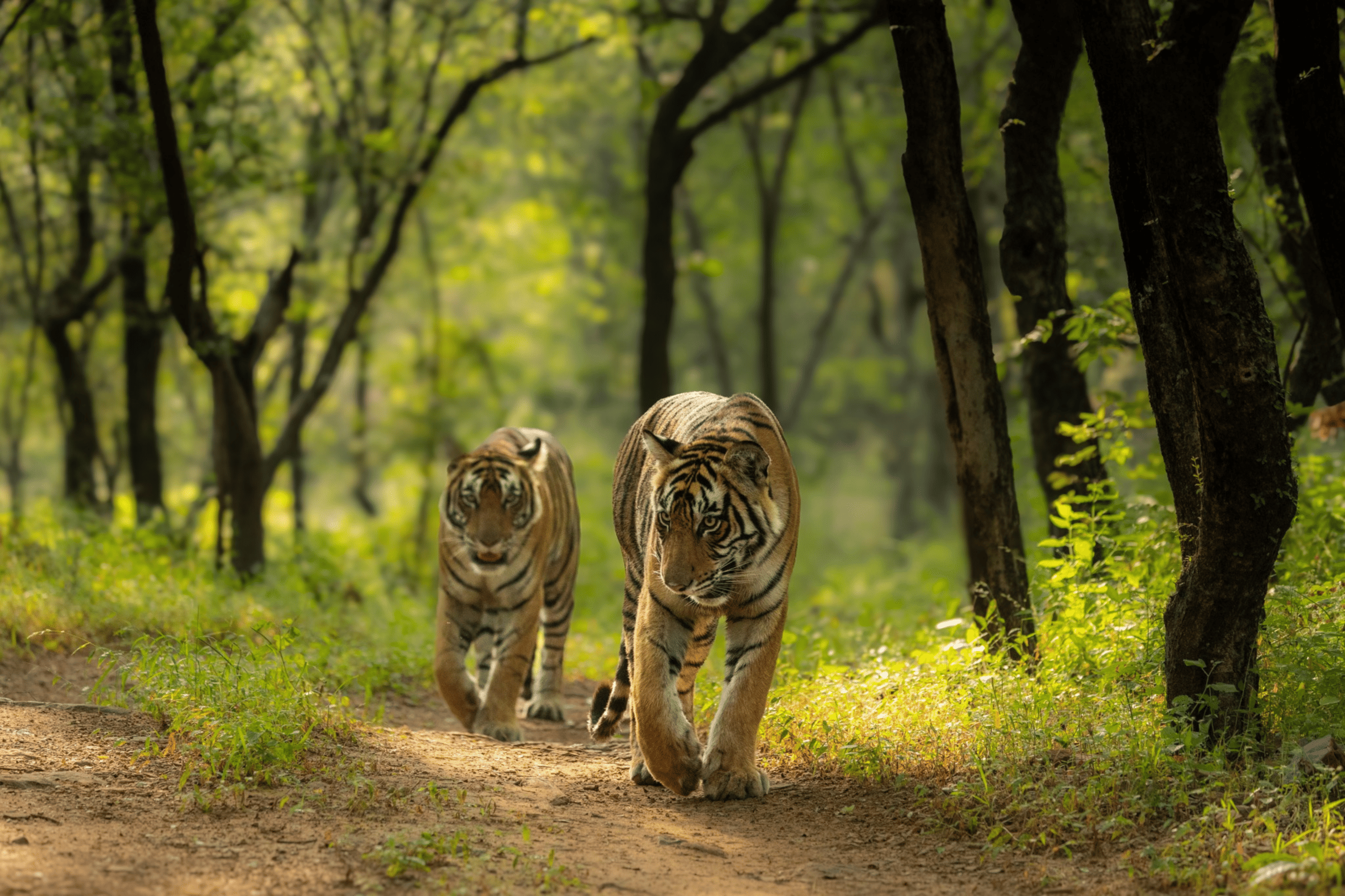
Ranthambore is renowned for its Bengal tigers, but its wildlife extends far beyond its iconic big cats. The reserve supports a diverse range of mammals, reptiles and birds, living across its dry deciduous forests, grasslands, rocky hills and lakes. Tigers share this landscape with leopards, sloth bears, striped hyenas, jackals and several species of deer and antelope. The combination of varied habitats and water sources makes Ranthambore an important refuge for wildlife in eastern Rajasthan.
Wildlife Found in Ranthambore:
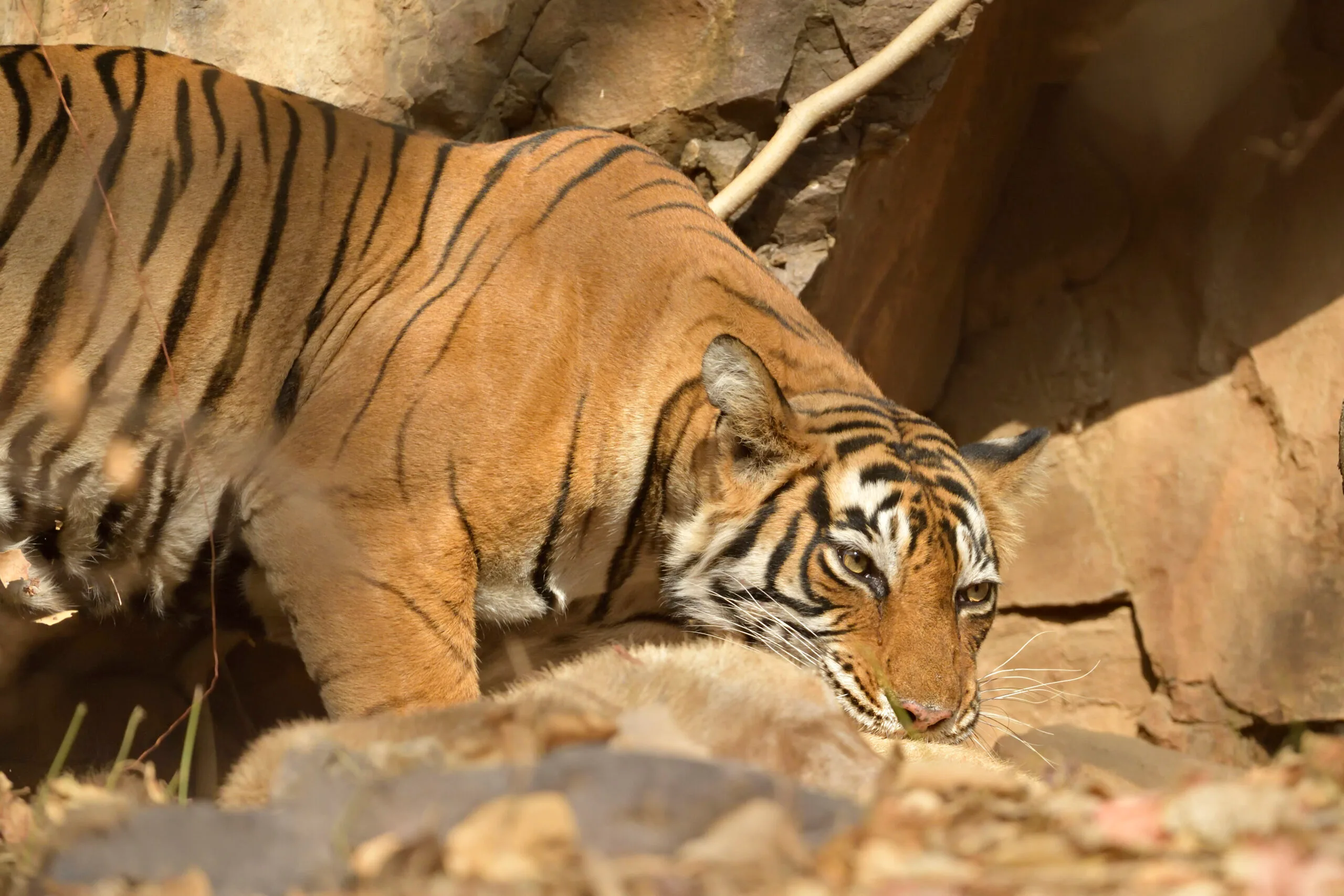
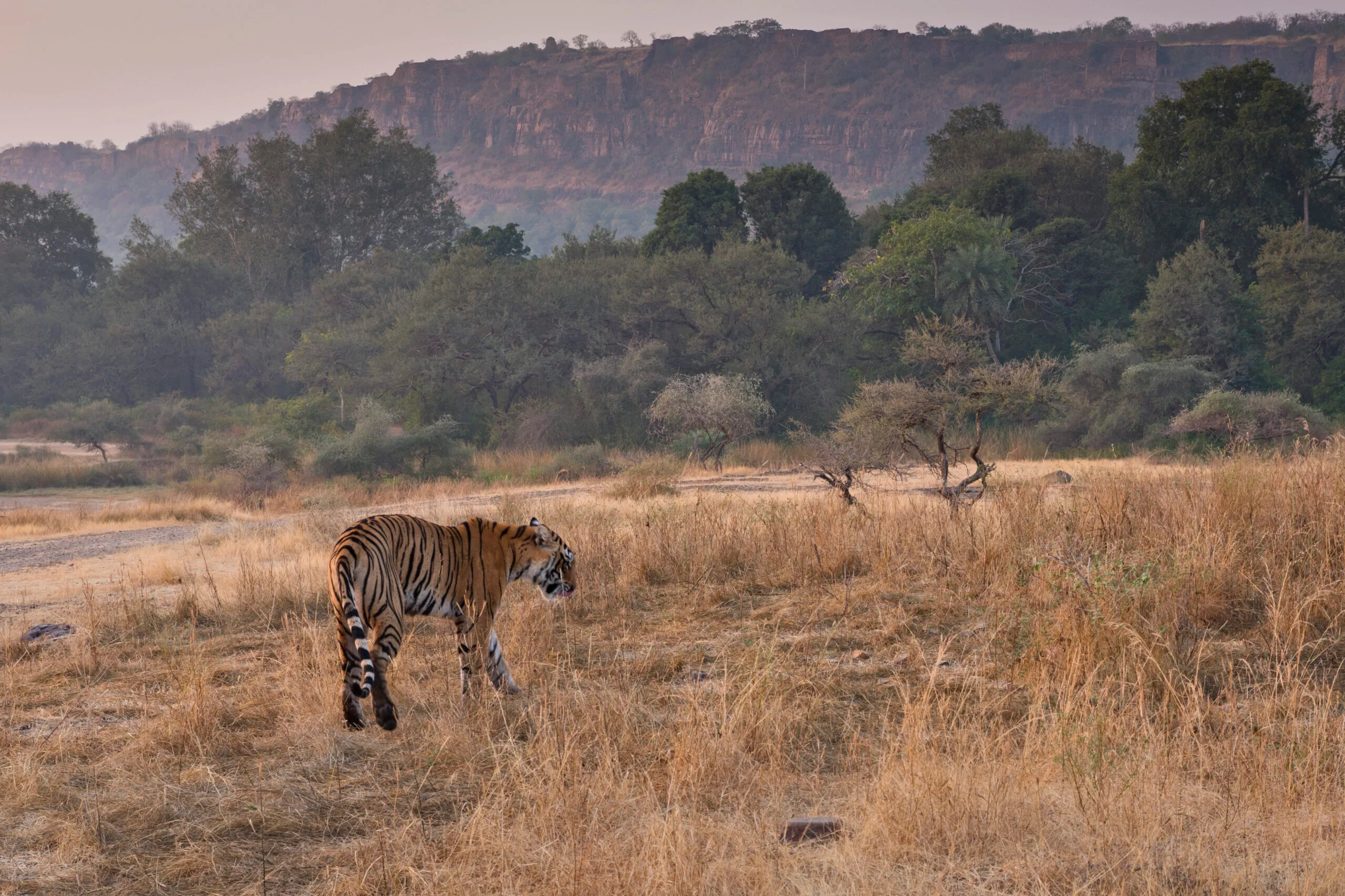
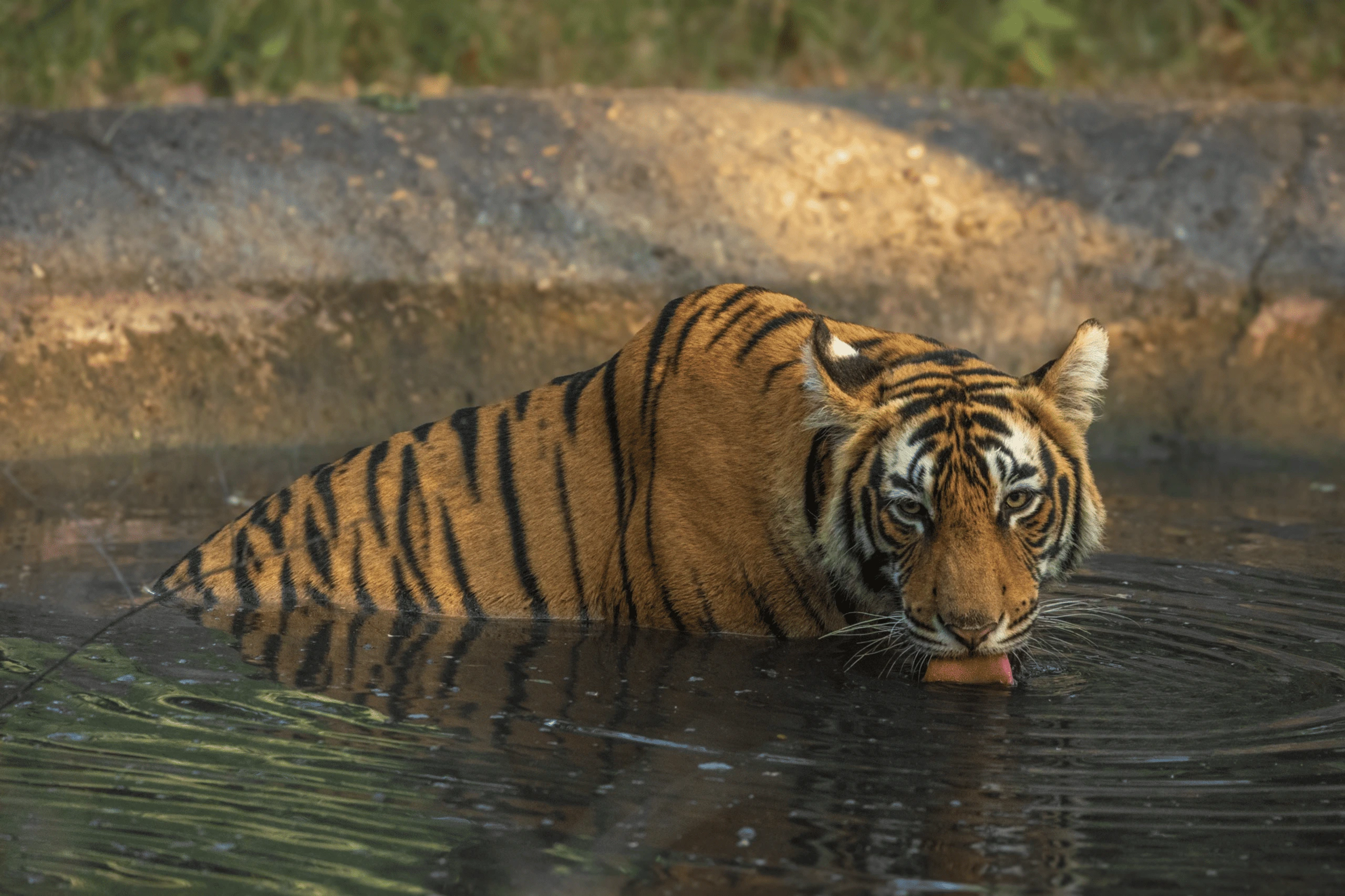
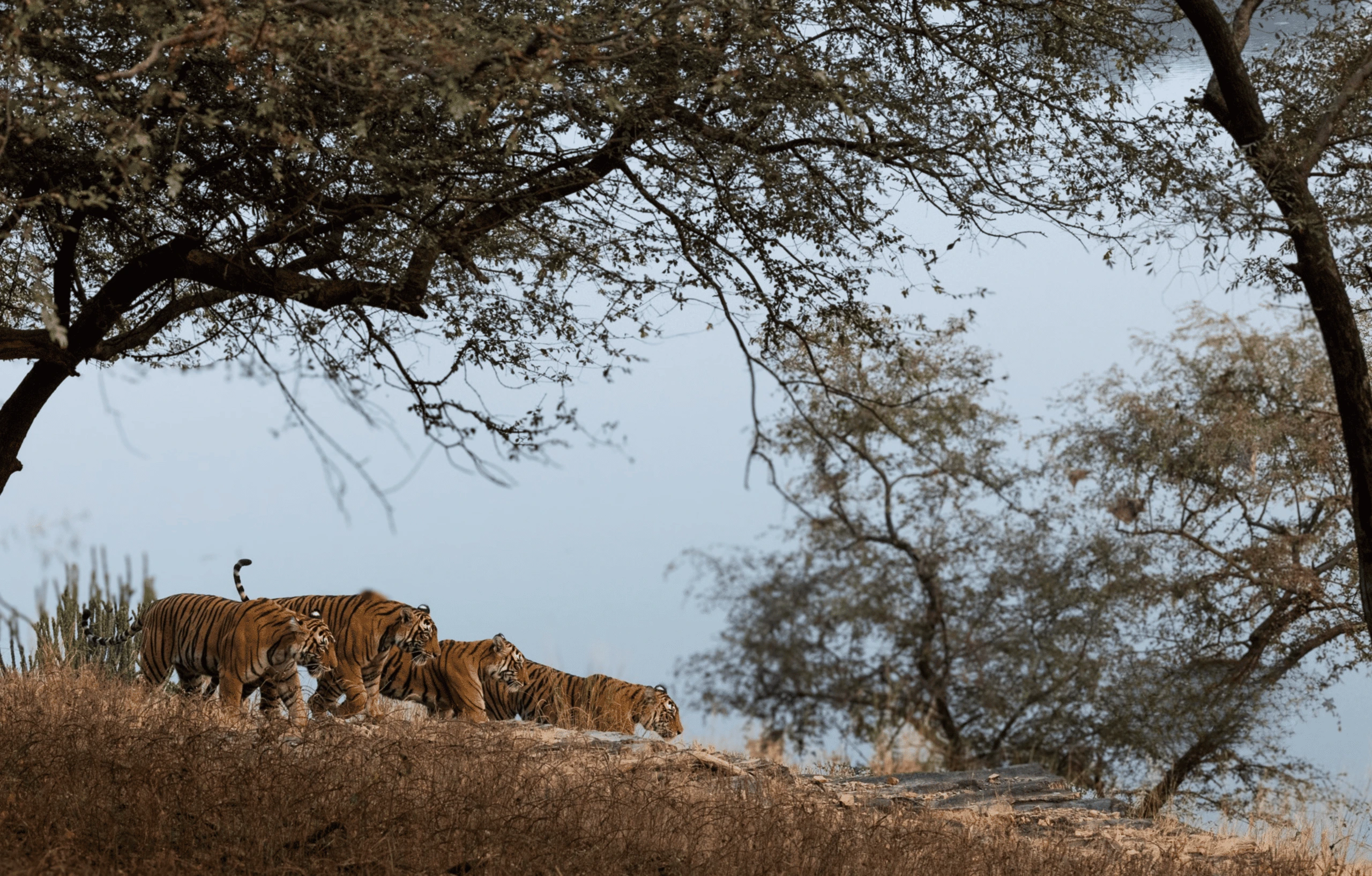
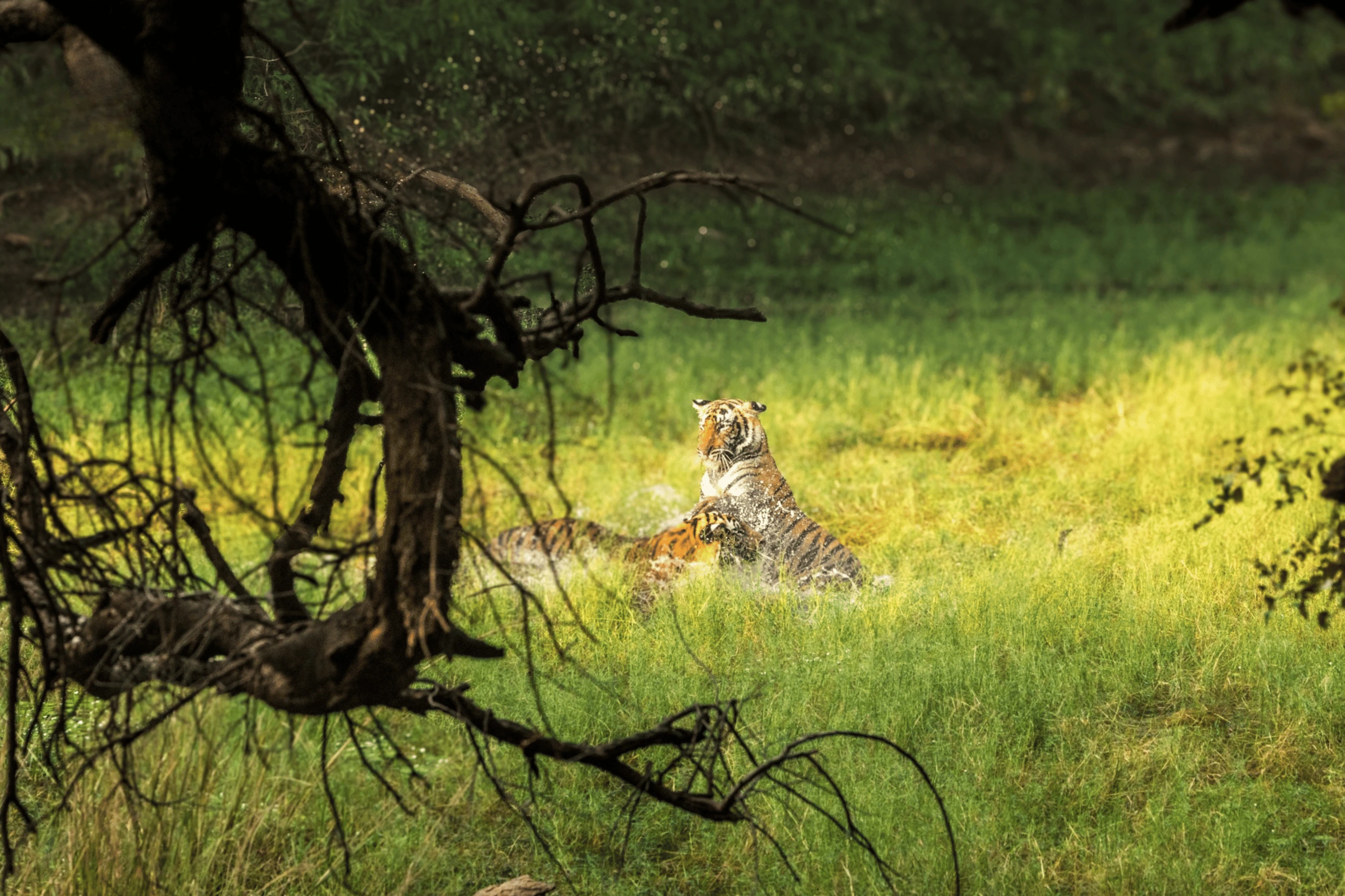
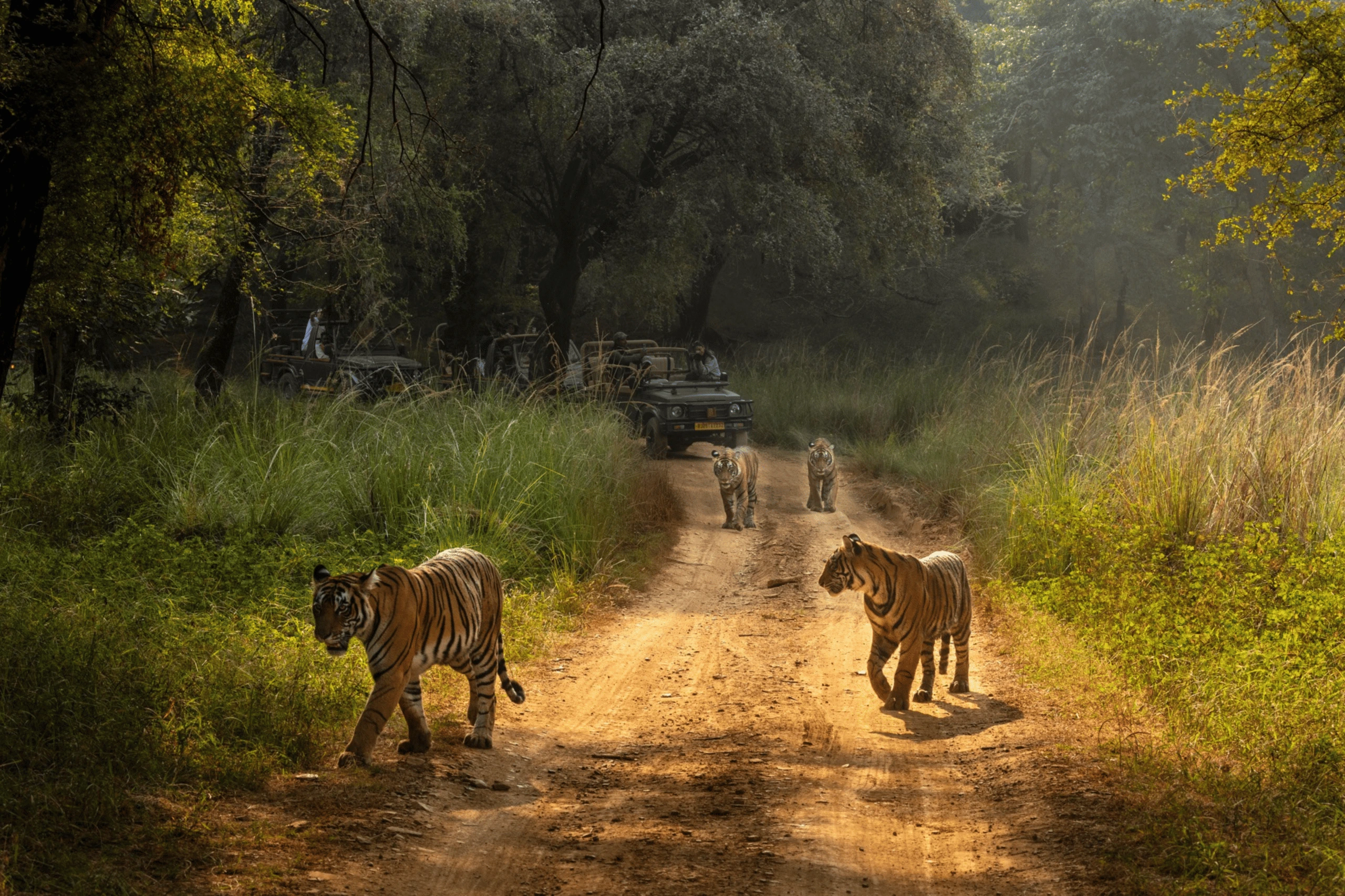
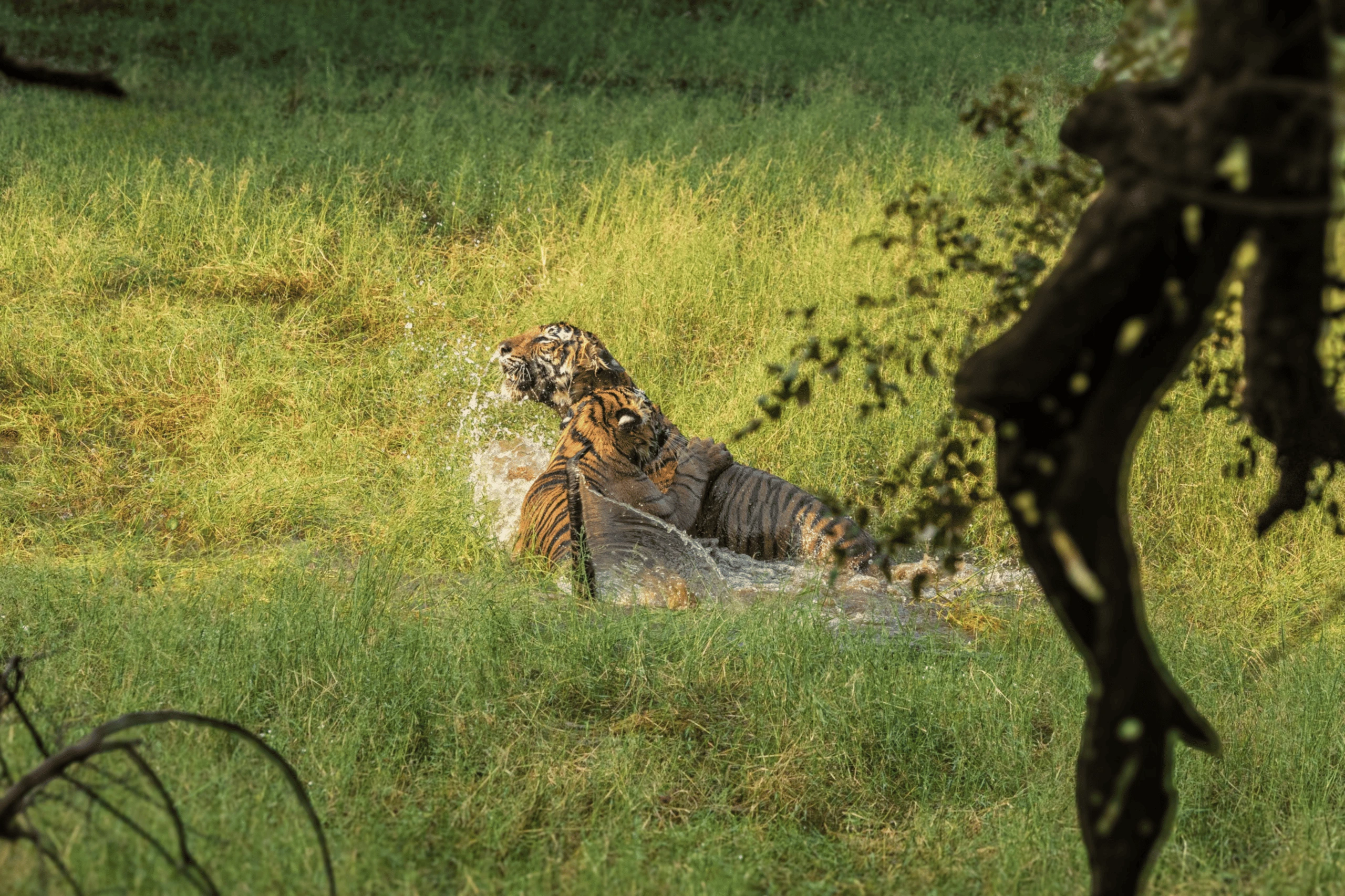
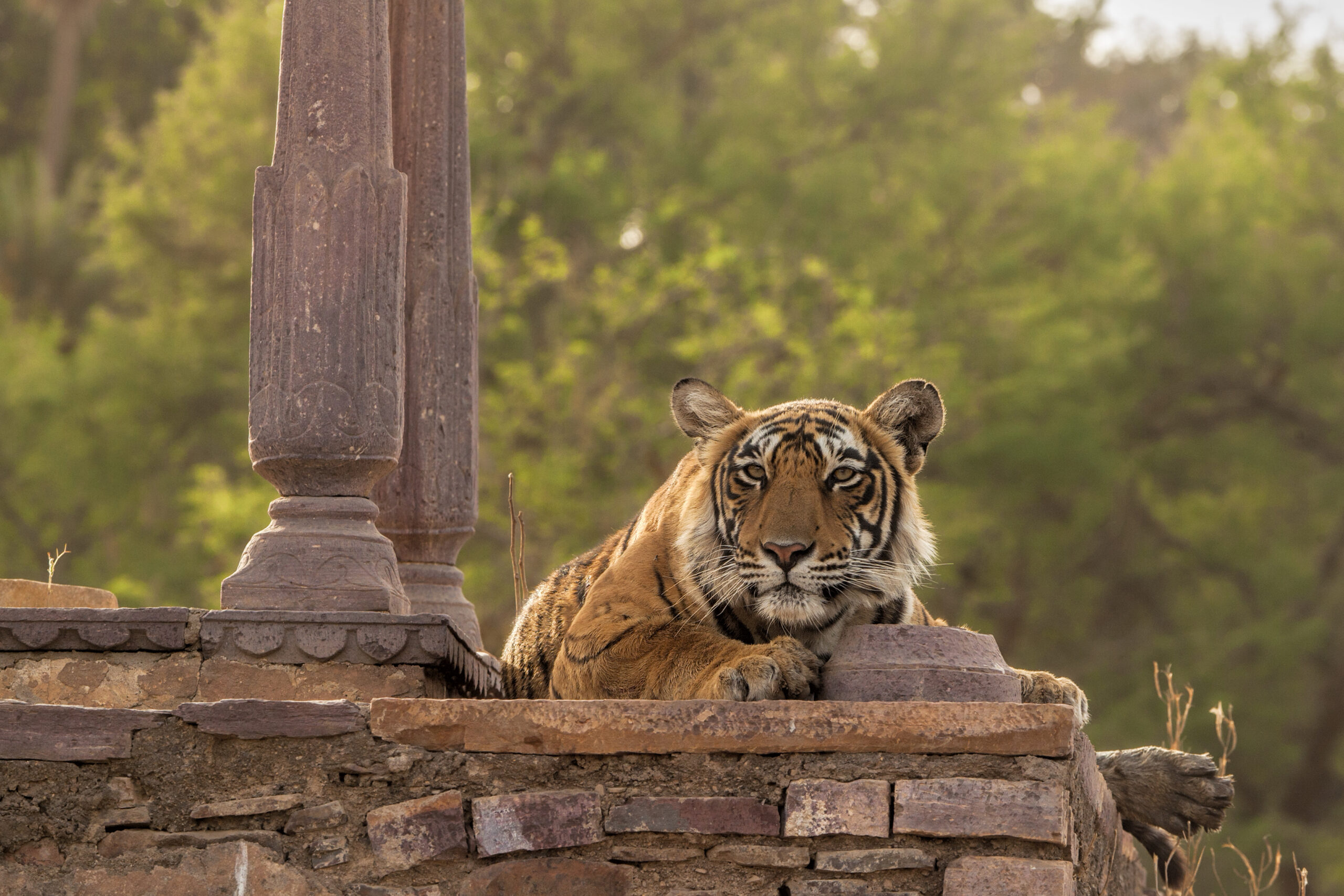
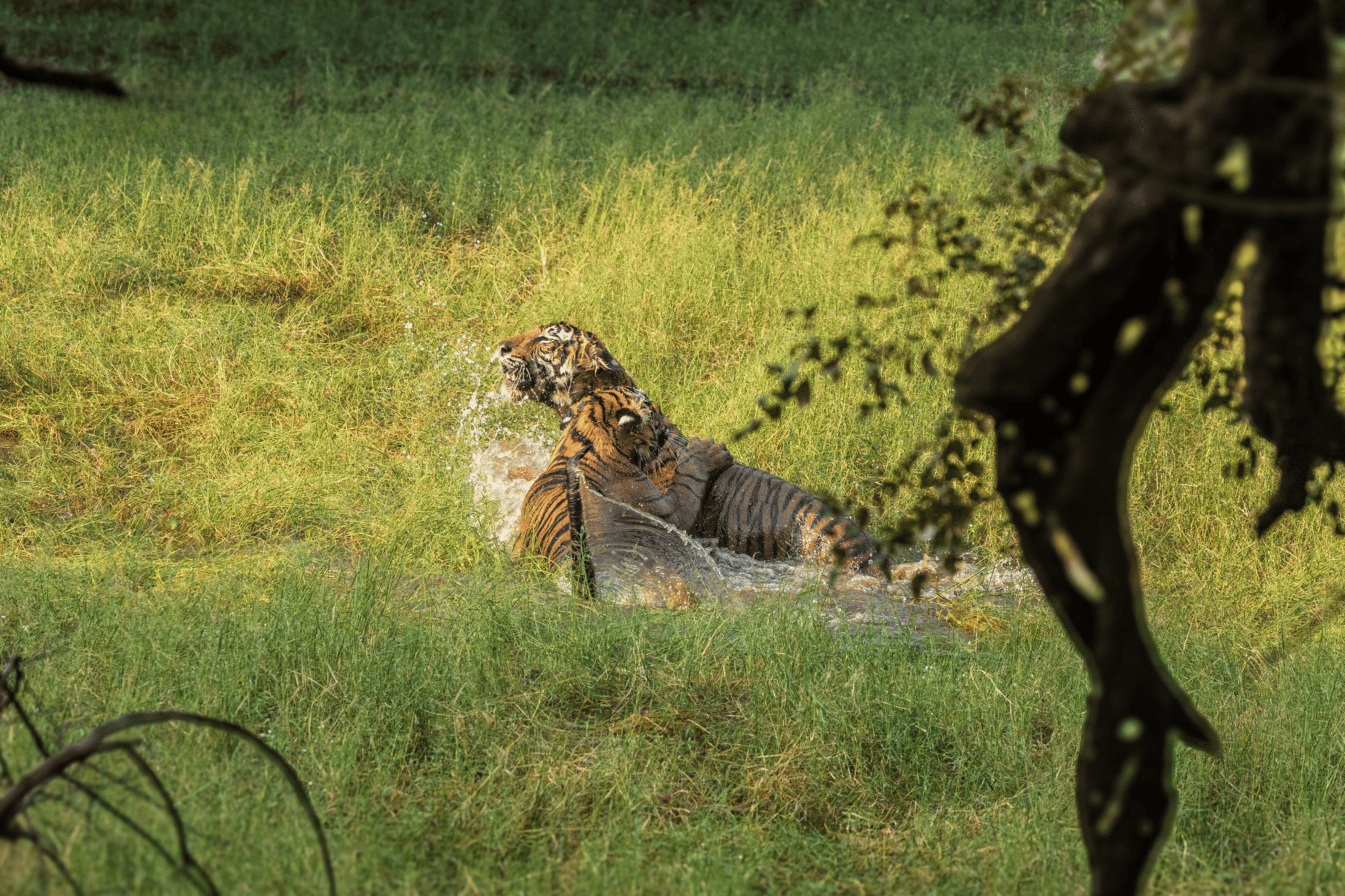
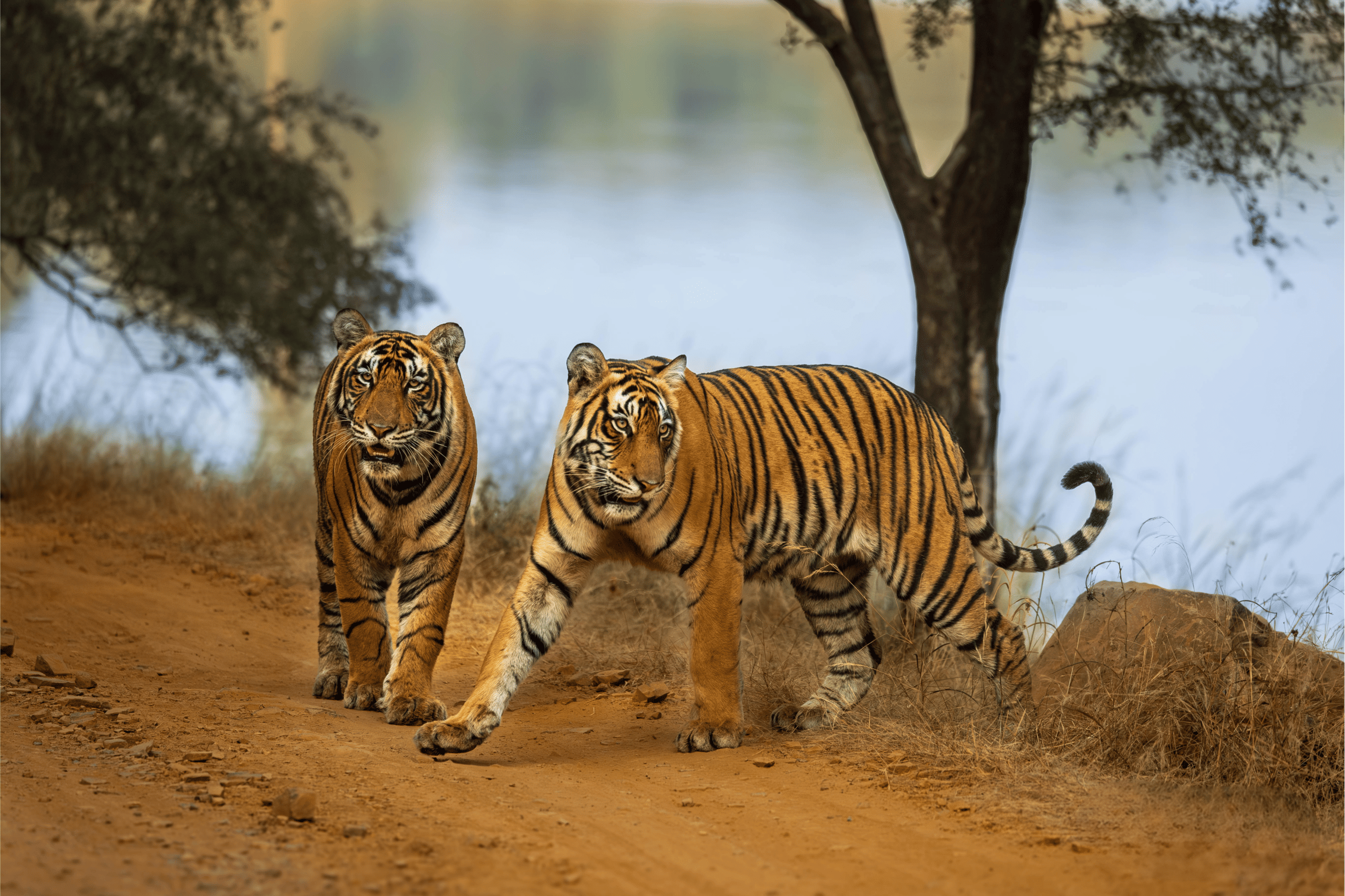
Bengal Tiger: The reserve’s most famous inhabitant and one of its principal attractions.
Leopard: An elusive big cat that inhabits the forested hills and rocky areas.
Sloth Bear: Often associated with forested and rocky habitats and particularly interesting to observe because of its distinctive behaviour.
Striped Hyena: A nocturnal scavenger that plays an important role in the ecosystem.
Sambar Deer: One of the largest deer species found in the reserve and an important prey species for tigers.
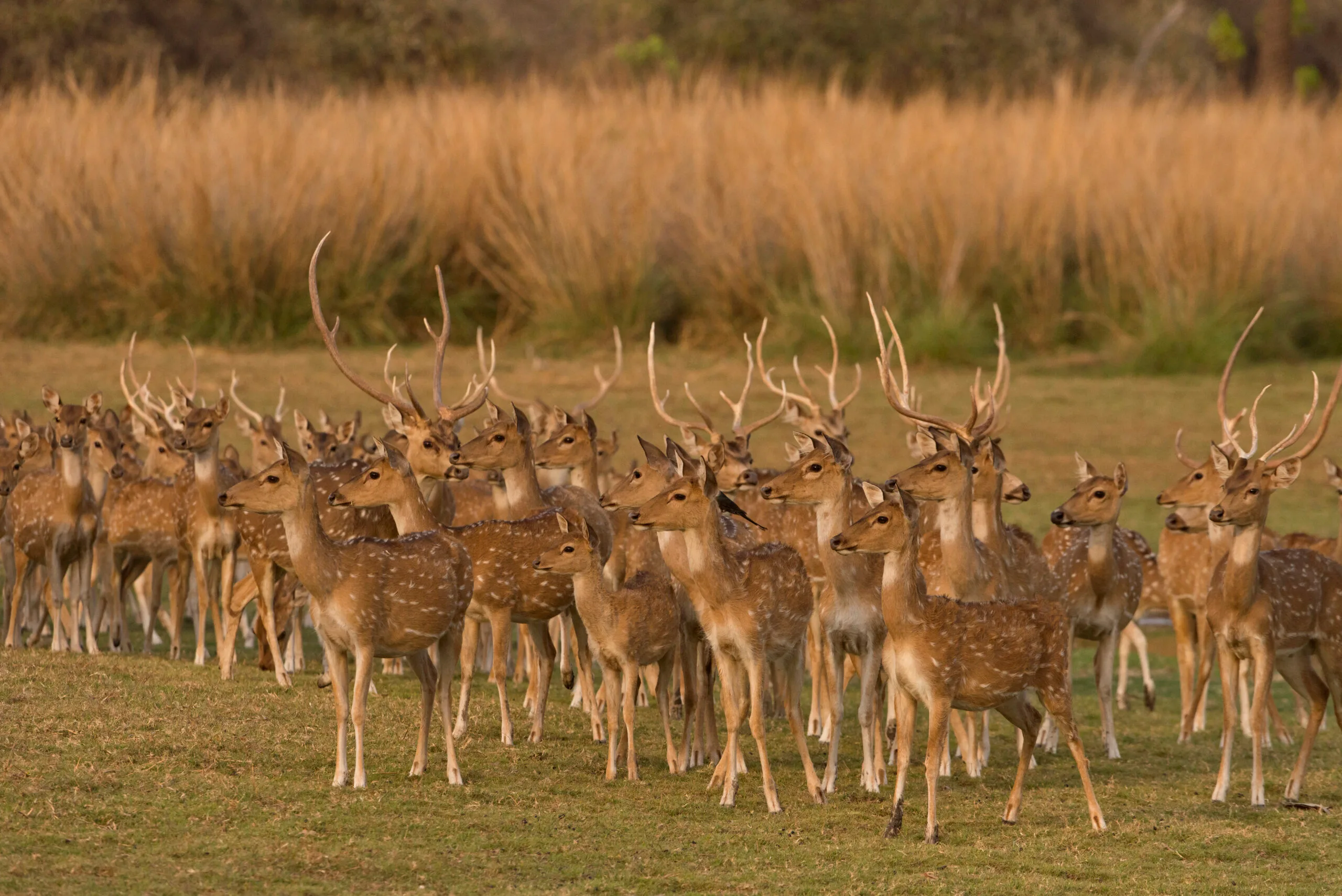
Chital (Spotted Deer): Frequently seen in open woodland and grassland areas.
Nilgai: India’s largest antelope, commonly found in open areas of the reserve.
Chinkara: The Indian gazelle, adapted to the dry conditions of the region.
Wild Boar: A widespread species that forms an important part of the forest ecosystem.
Golden Jackal & Indian Fox: Smaller carnivores found across the reserve landscape.
Langur & Rhesus Macaque: Two commonly encountered primates that inhabit the forest and surrounding areas.
Caracal & Jungle Cat: More elusive members of Ranthambore’s diverse carnivore community.
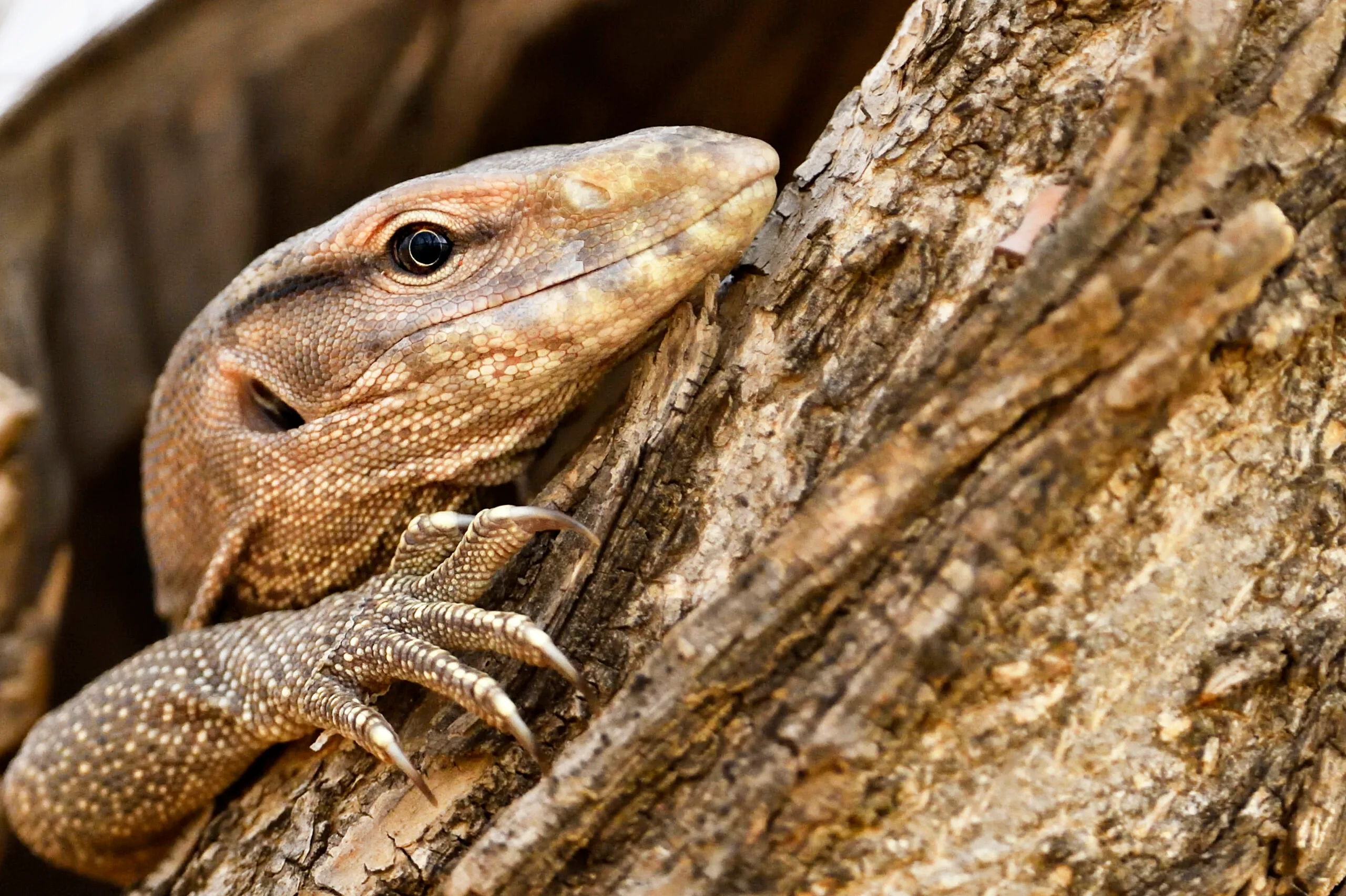
Reptiles: The reserve also supports species including the mugger crocodile, Indian rock python, monitor lizards, turtles and several snake species.
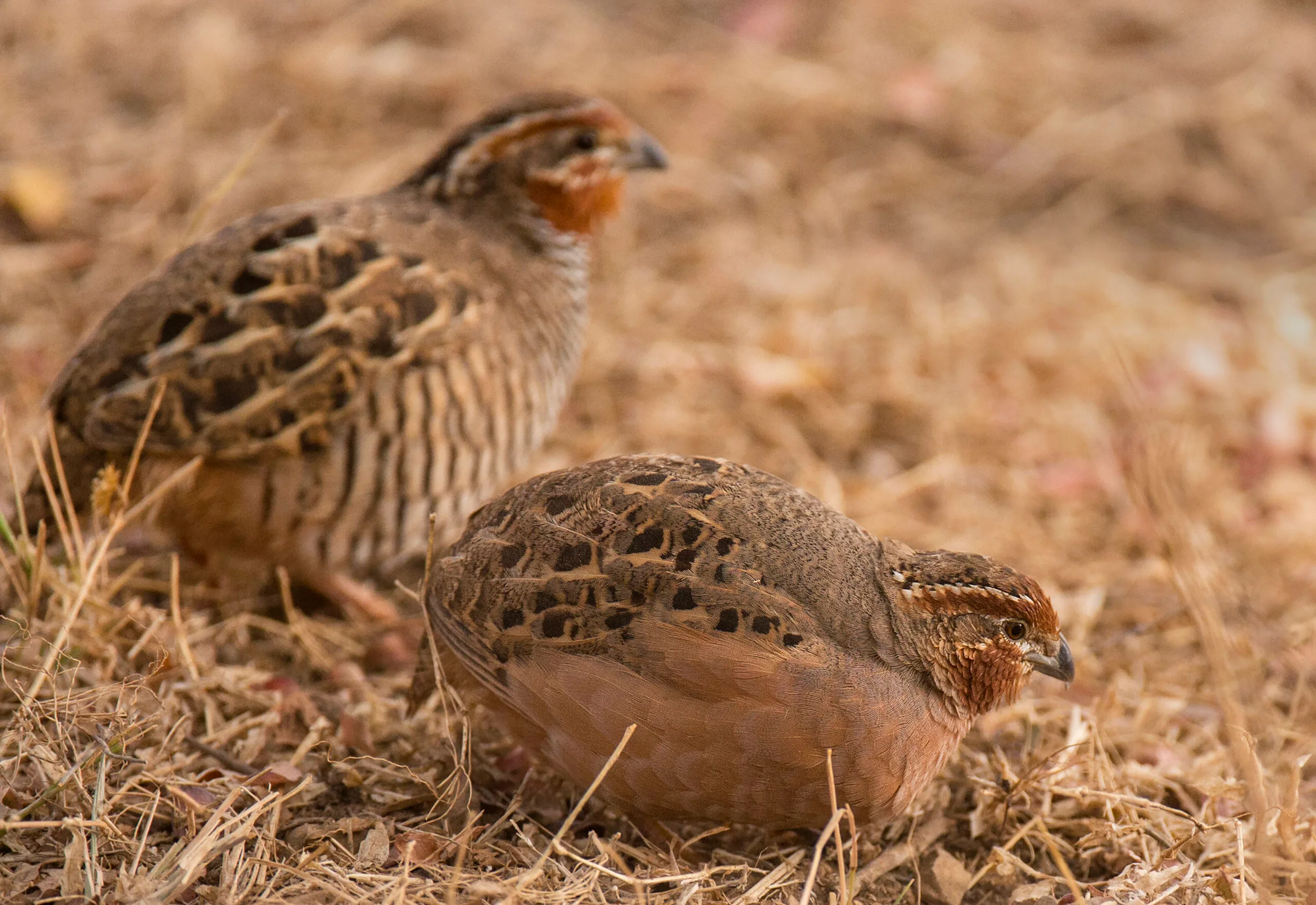
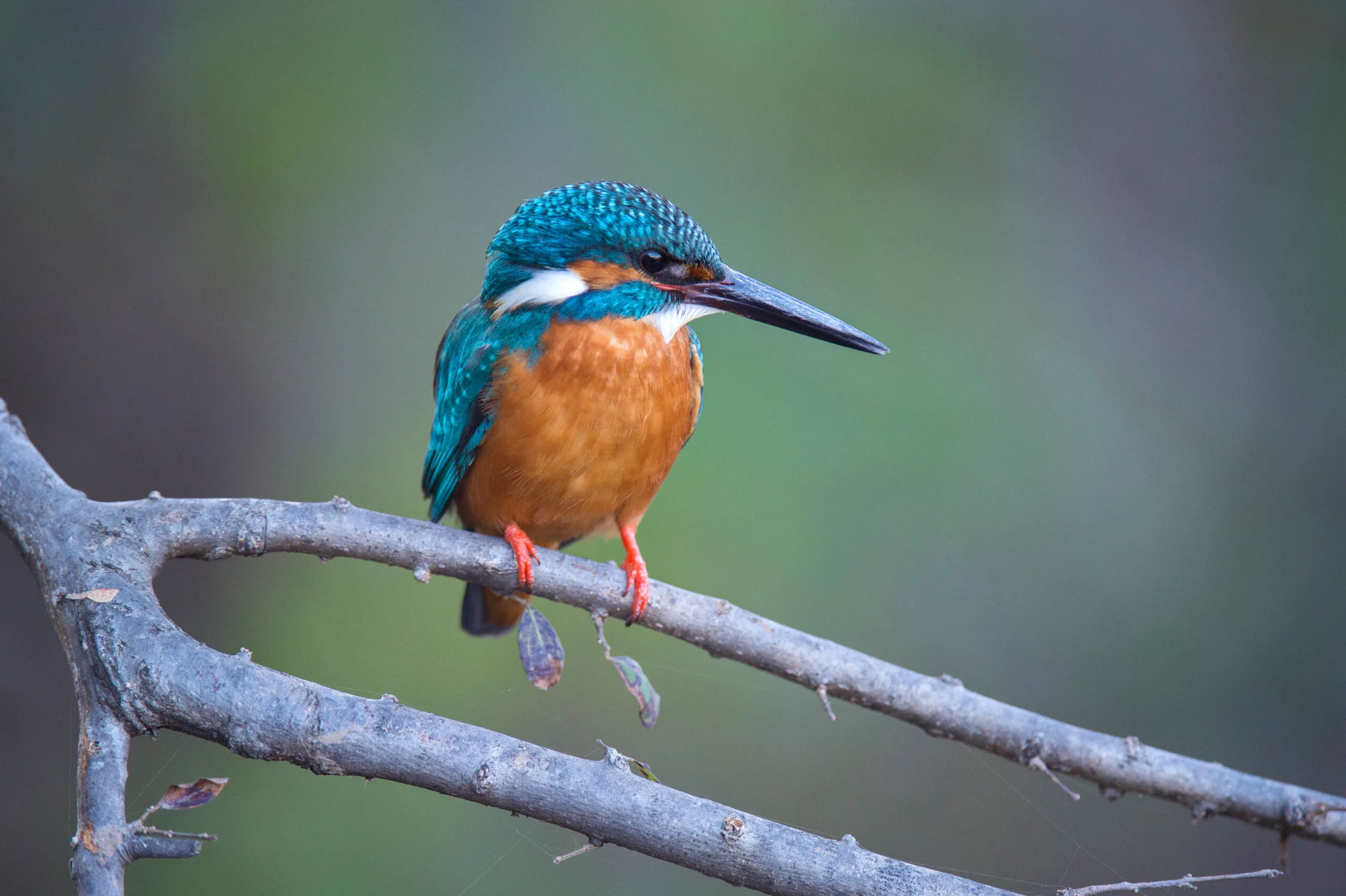
Birdlife: Ranthambore supports a remarkable variety of resident and migratory birds, adding another dimension to its wildlife experience.

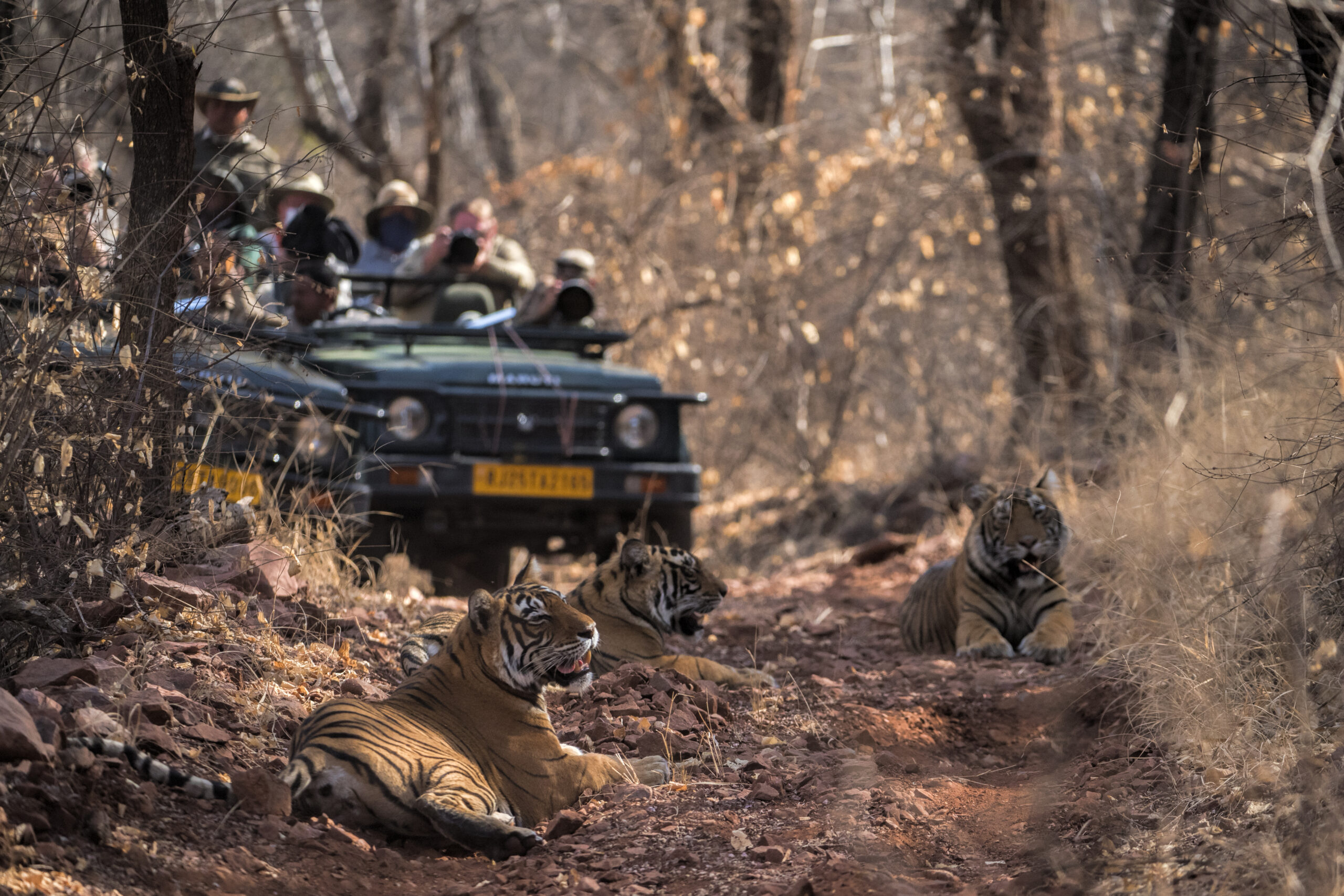
The true character of Ranthambore lies in the relationship between all these species and their shared habitat. A safari may bring the excitement of encountering a tiger, but it can also reveal a sambar moving through the forest, crocodiles resting beside a lake, langurs calling from the trees or birds of prey circling above the hills. Every safari unfolds differently because wildlife moves freely through its natural environment. Ranthambore Routes invites you to explore this diverse ecosystem beyond the tiger, discovering the many species that make Ranthambore one of Rajasthan’s remarkable wilderness destinations.
You might also like....