


Bird Watching
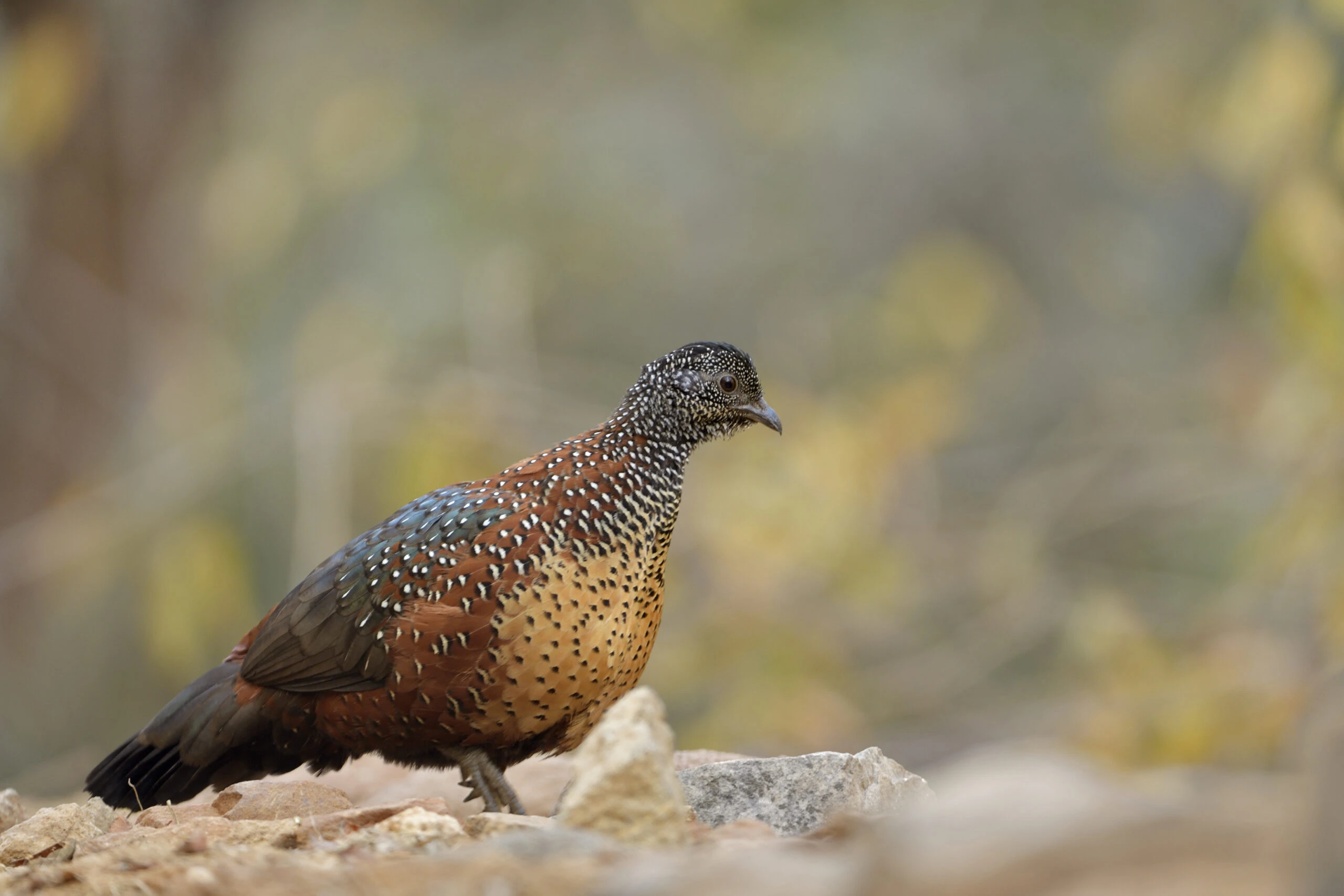
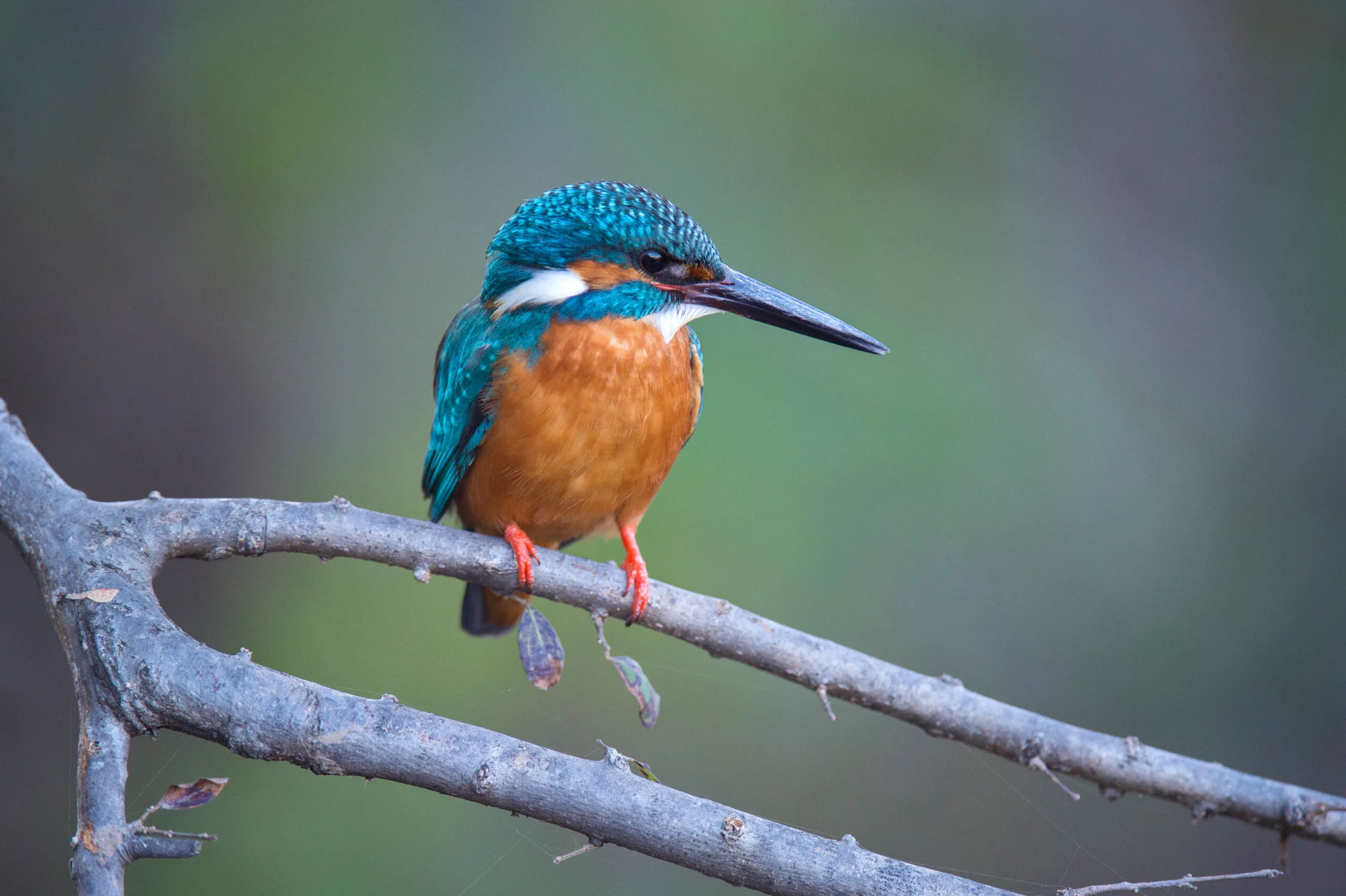
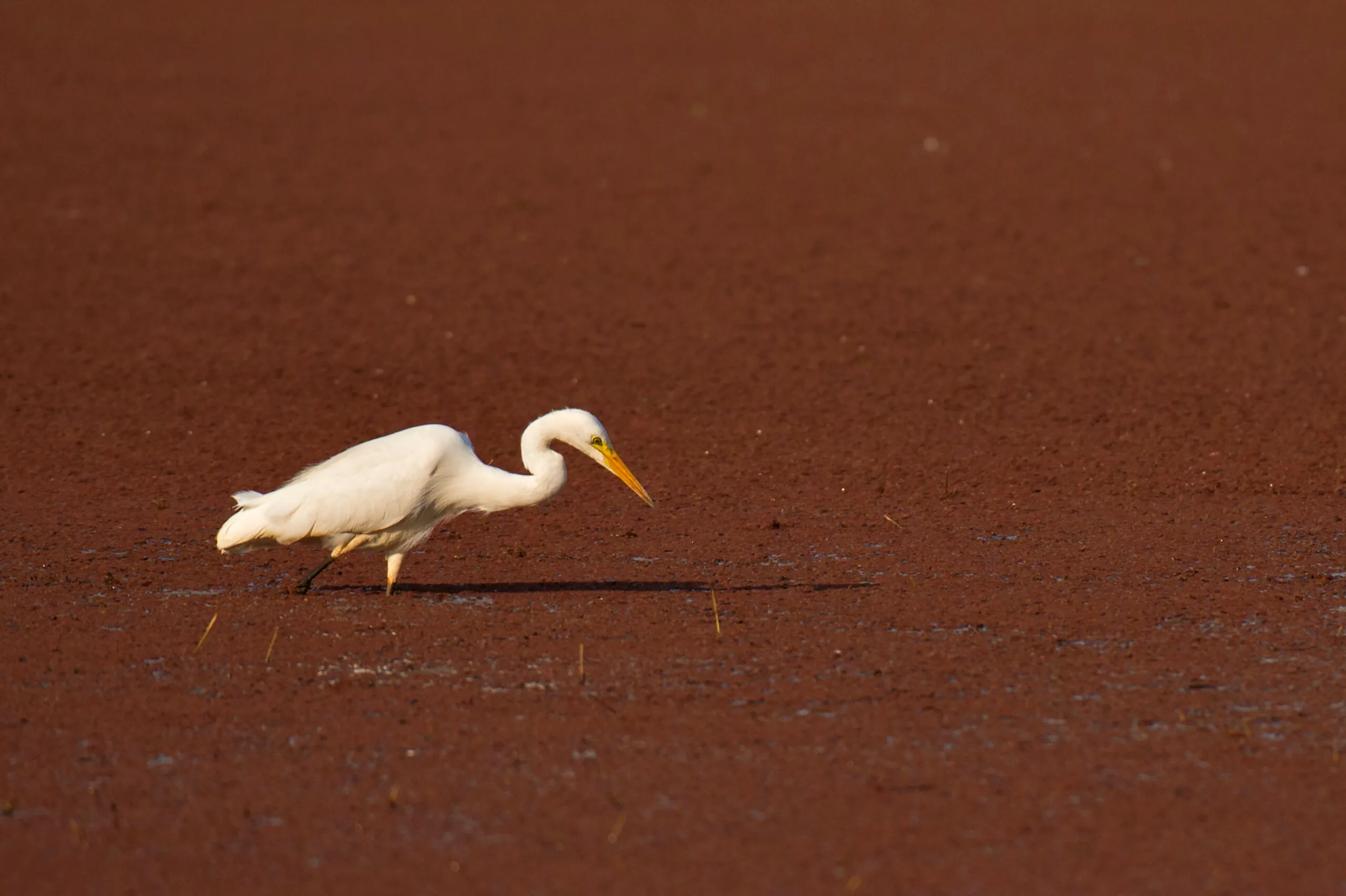
Ranthambore is not only a destination for tiger sightings; its forests, lakes, grasslands and surrounding countryside also support an impressive variety of birdlife. The combination of dry deciduous forest, open grassland and wetlands creates habitats for both resident and migratory birds. From colourful kingfishers and bee-eaters to raptors, waterbirds and woodland species, bird watching offers a slower and more intimate way to experience Ranthambore’s diverse ecosystem.
Rich birdlife: Ranthambore and the surrounding landscape support a wide variety of resident and migratory bird species.
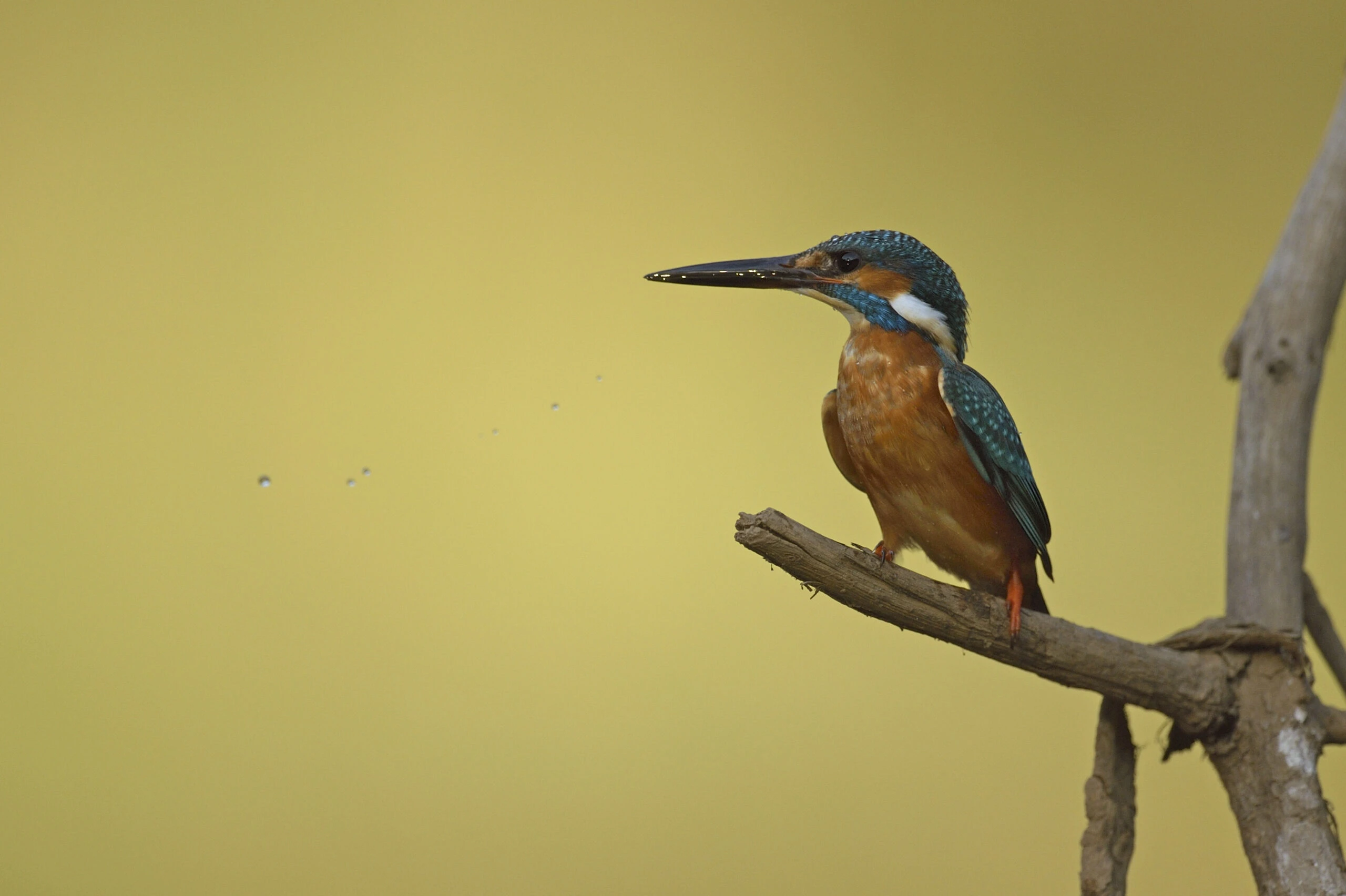
Wetland birds: Lakes and water bodies provide habitat for species such as painted storks, herons, egrets, kingfishers and other waterbirds.
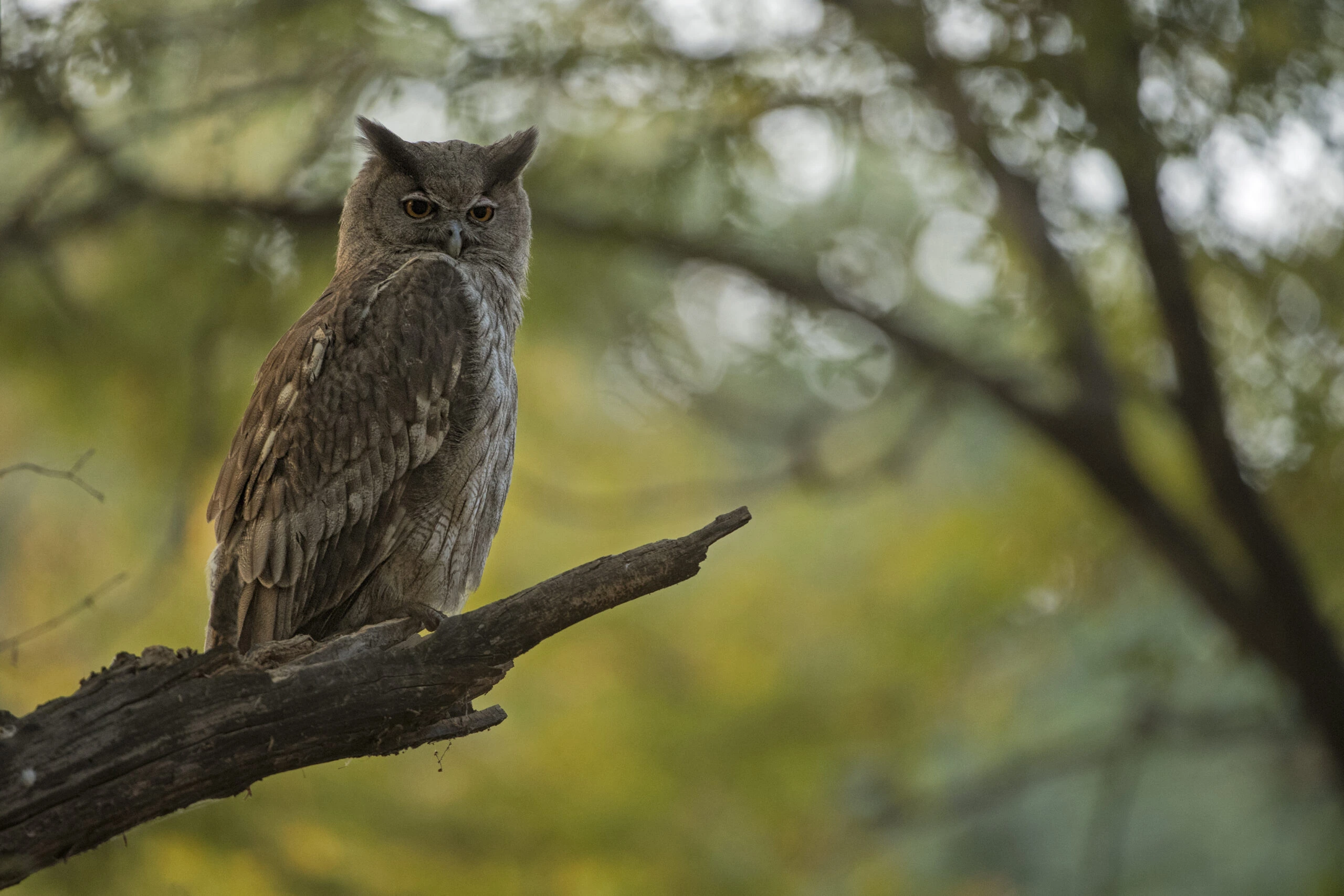
Birds of prey: Visitors may encounter raptors such as crested serpent eagles, shikras and other birds of prey.
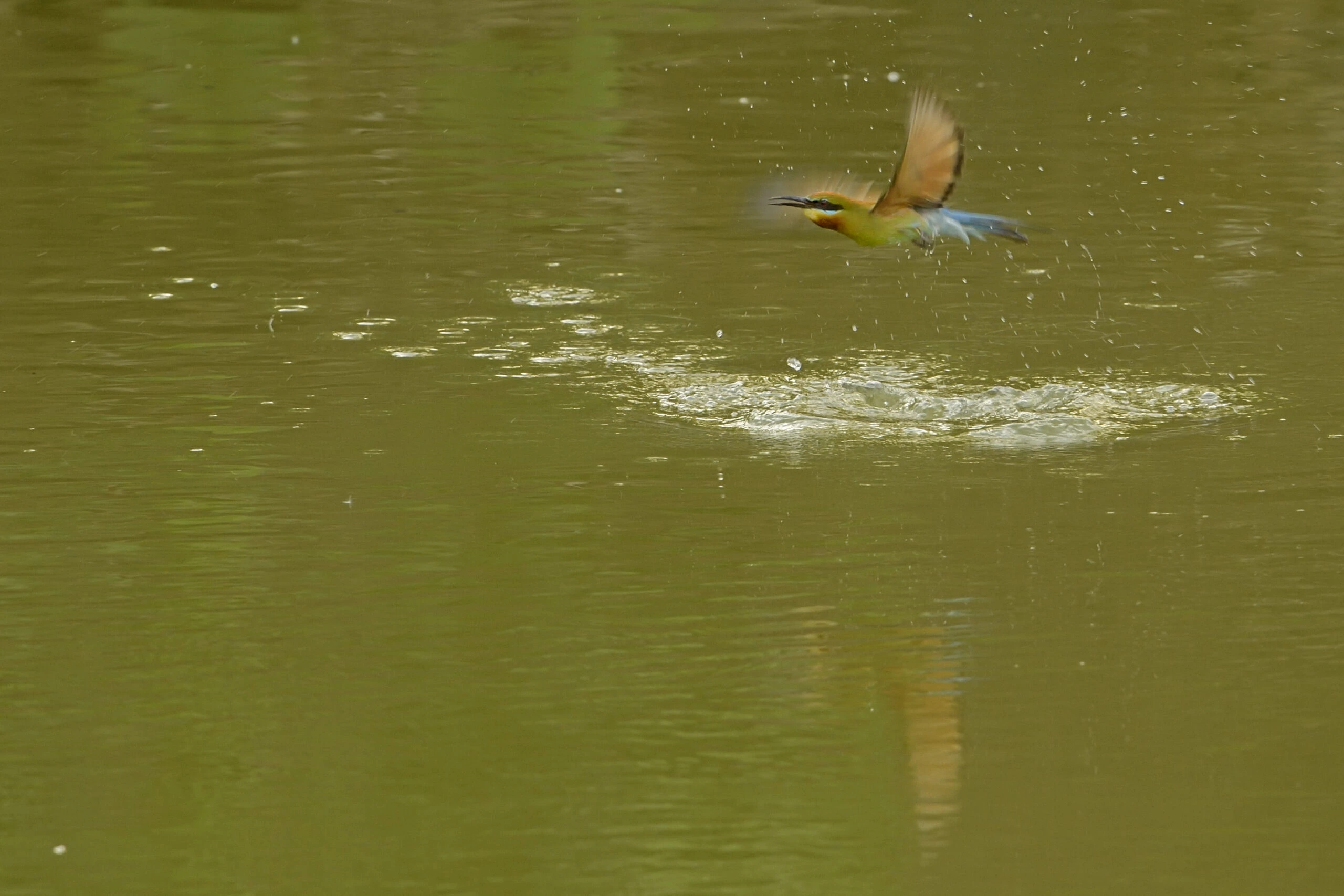
Colourful species: Bee-eaters, Indian rollers, parakeets and kingfishers add vibrant colour to the landscape.
Migratory visitors: Winter brings additional bird species to the region, making the cooler months particularly interesting for bird enthusiasts.
Photography: The diverse habitats and open landscapes provide excellent opportunities for bird photography.
Beyond the safari: Bird watching can be enjoyed during wildlife safaris as well as around suitable lakes, forests and other natural areas near Ranthambore.
Best approach: Early mornings are generally ideal for bird activity, when temperatures are cooler and many species are actively feeding.
Bird watching in Ranthambore provides an opportunity to slow down and appreciate the smaller details of the wilderness. While a tiger may be the highlight of a safari, observing a kingfisher diving into a lake, a raptor circling above the forest or a colourful bird moving through the trees can make the experience equally memorable. Ranthambore Routes can help incorporate bird watching into your wildlife itinerary, whether you are an experienced birder, a wildlife photographer or simply interested in discovering another side of Ranthambore’s natural world.
You might also like....