

Where Ancient Landscapes Meet Wild India
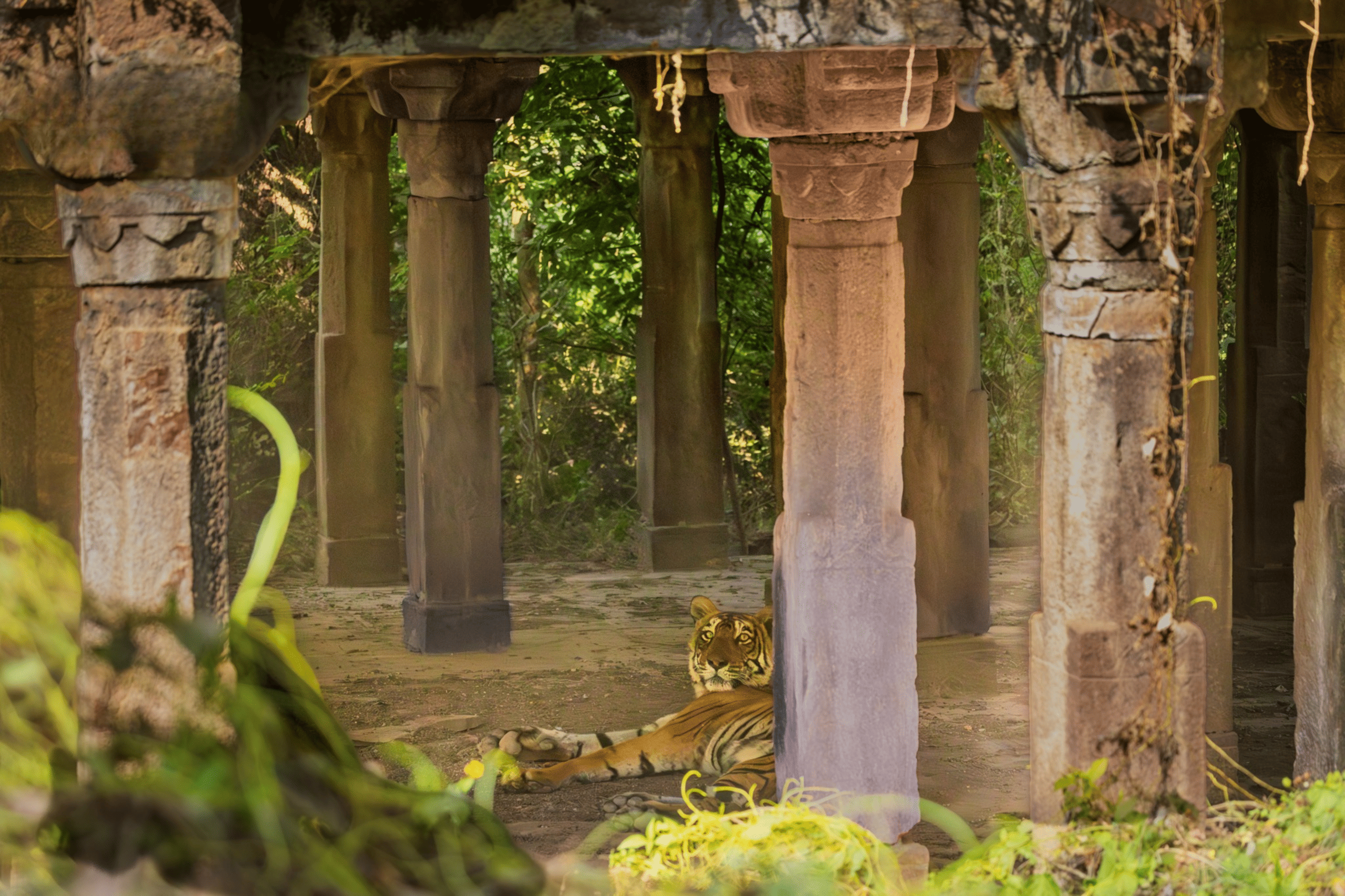
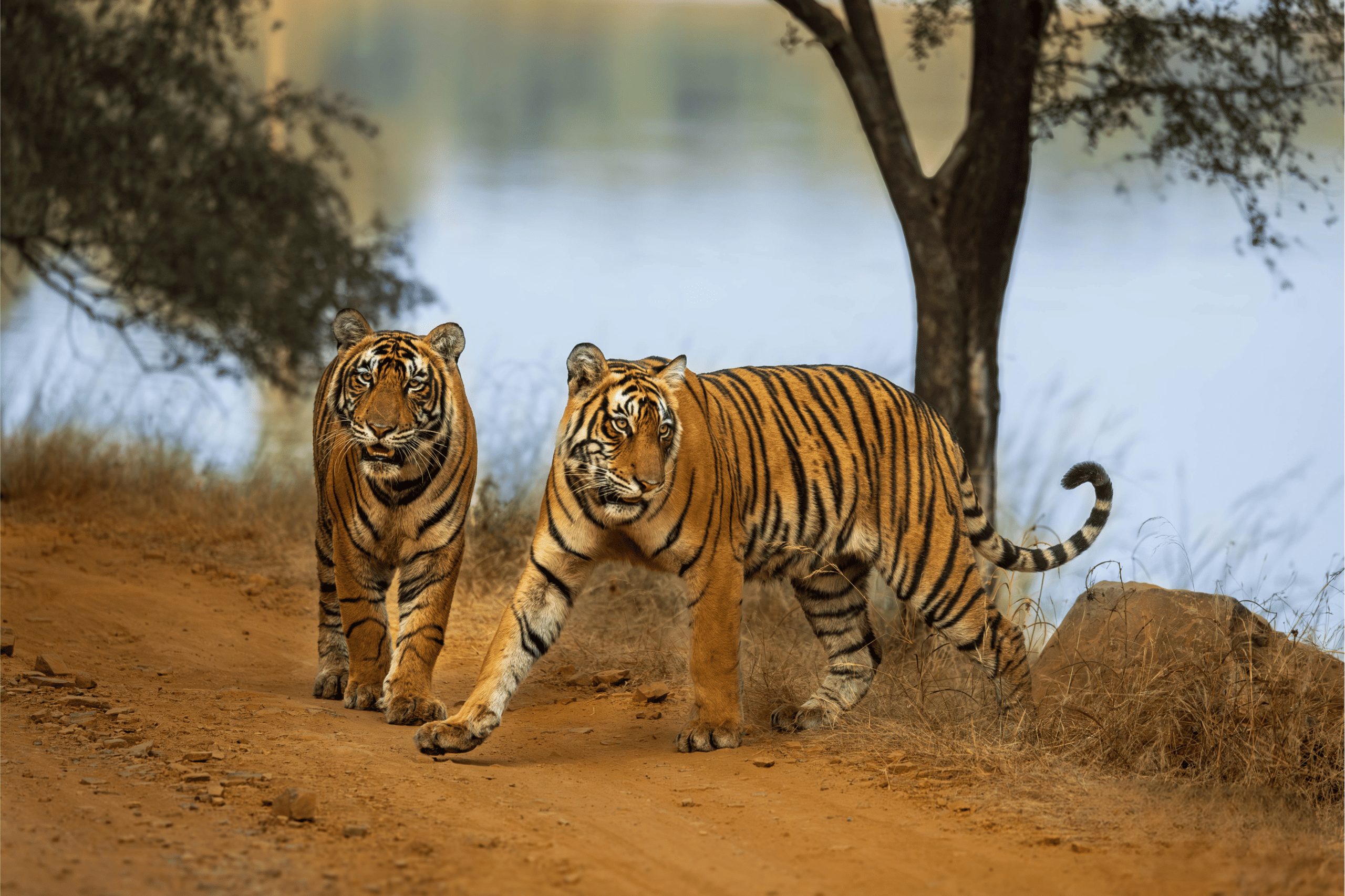
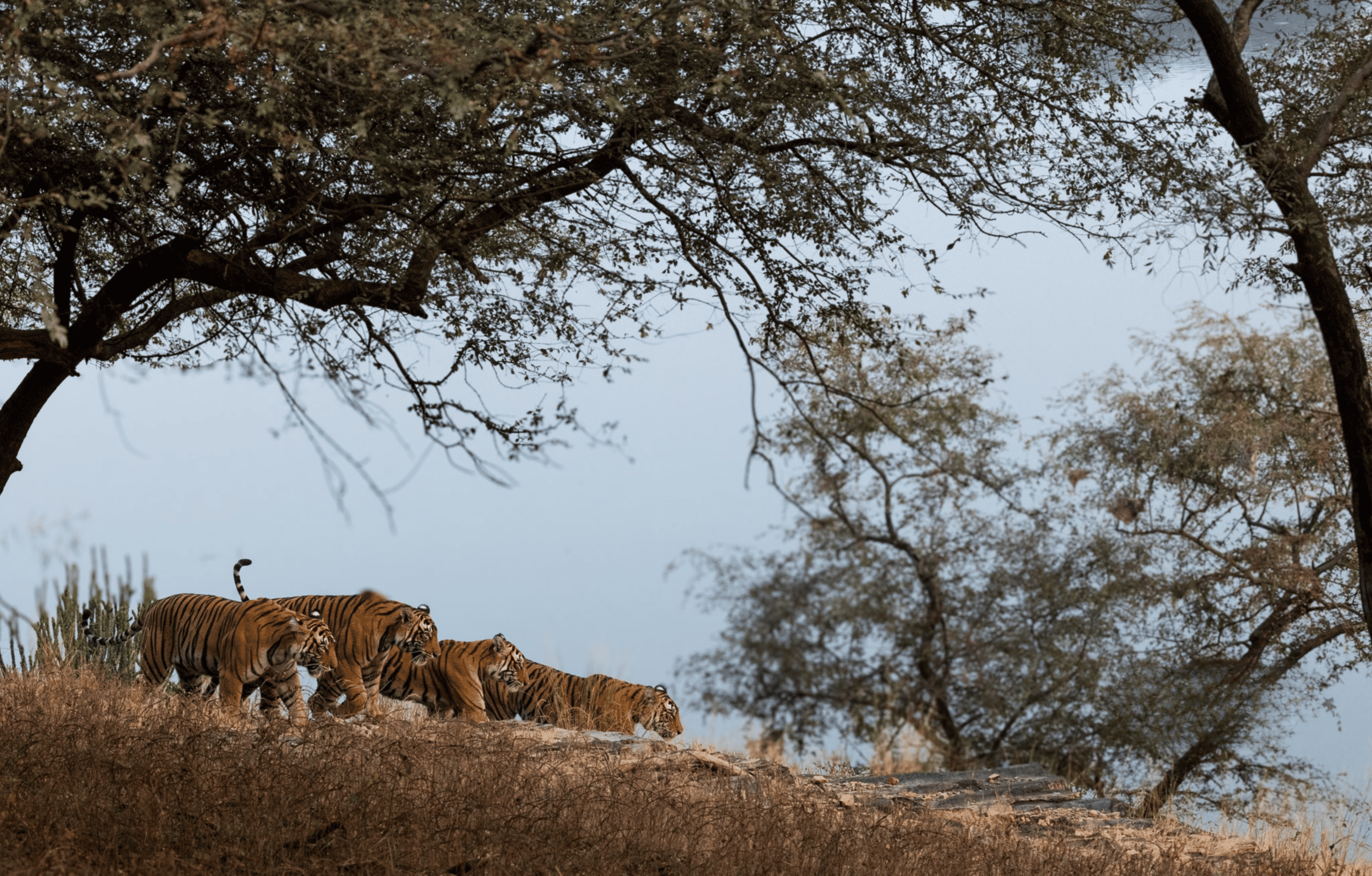
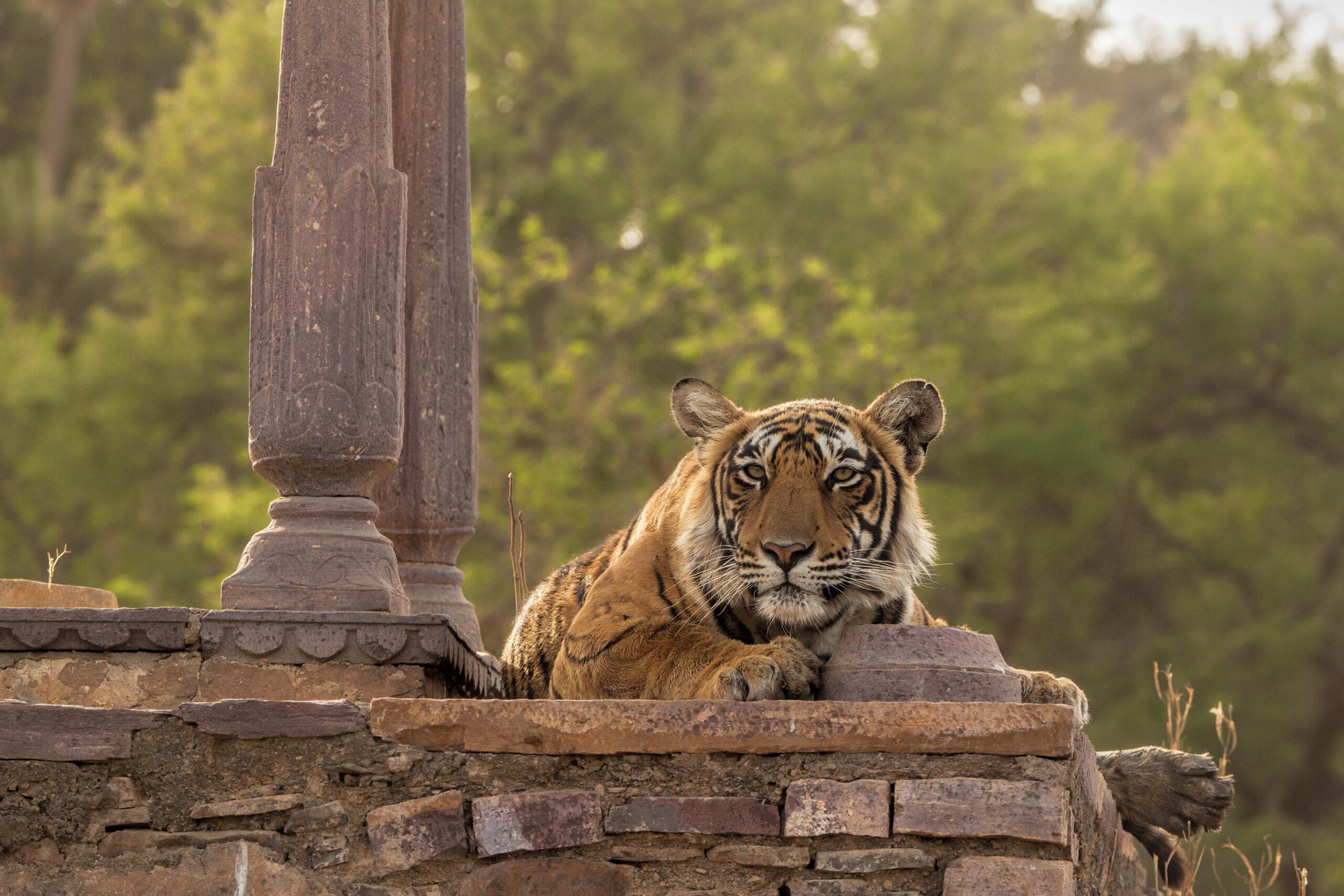
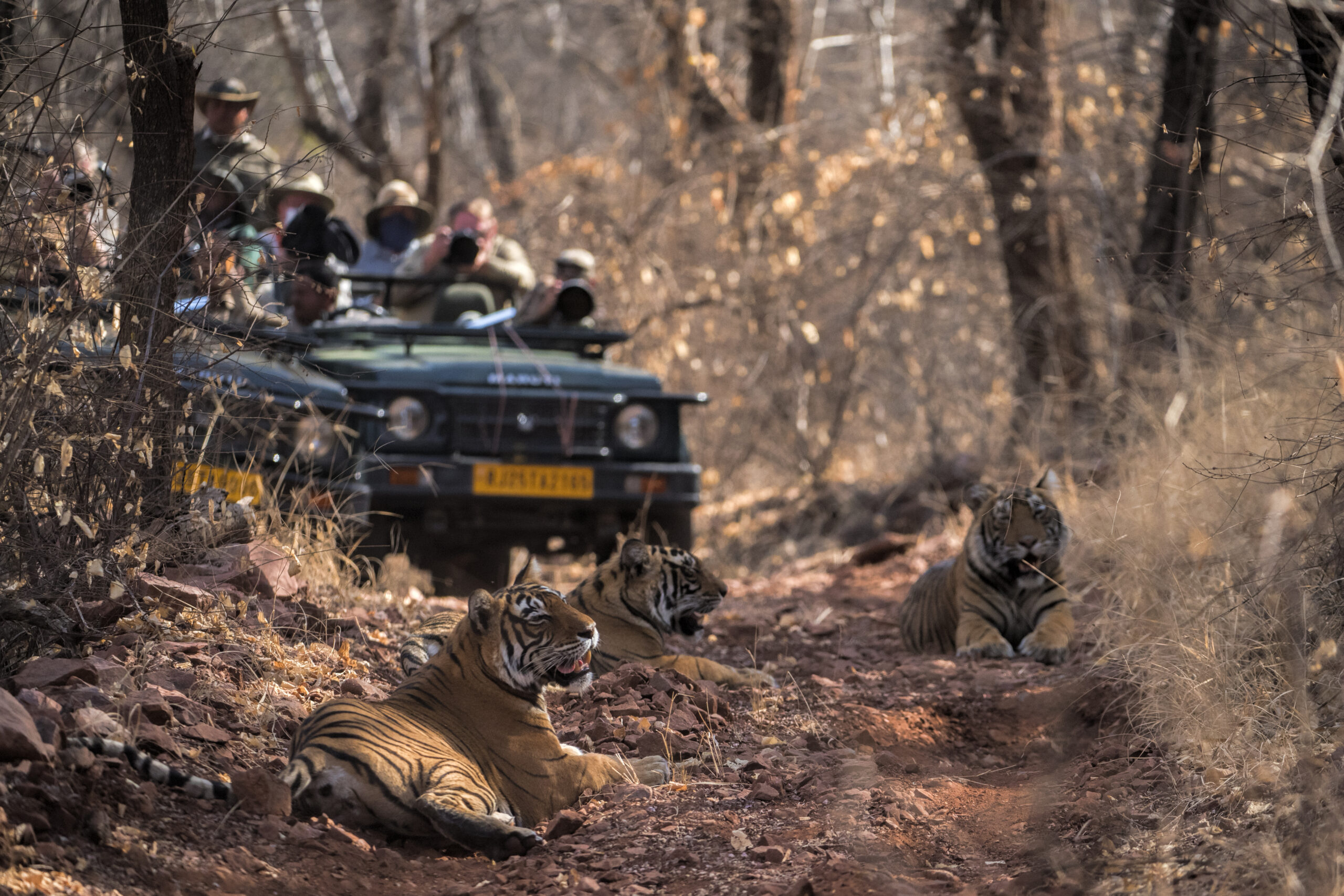
Ranthambore lies in southeastern Rajasthan, around 14 km from Sawai Madhopur, in a landscape shaped by the meeting zone of the ancient Aravalli and Vindhya ranges. Unlike the desert landscapes commonly associated with Rajasthan, Ranthambore is characterised by rugged hills, rocky escarpments, narrow valleys, open grasslands, lakes and seasonal watercourses. The landscape rises and falls around the historic Ranthambore Fort, while the surrounding dry-deciduous forests create a distinctive mosaic of woodland and open country.
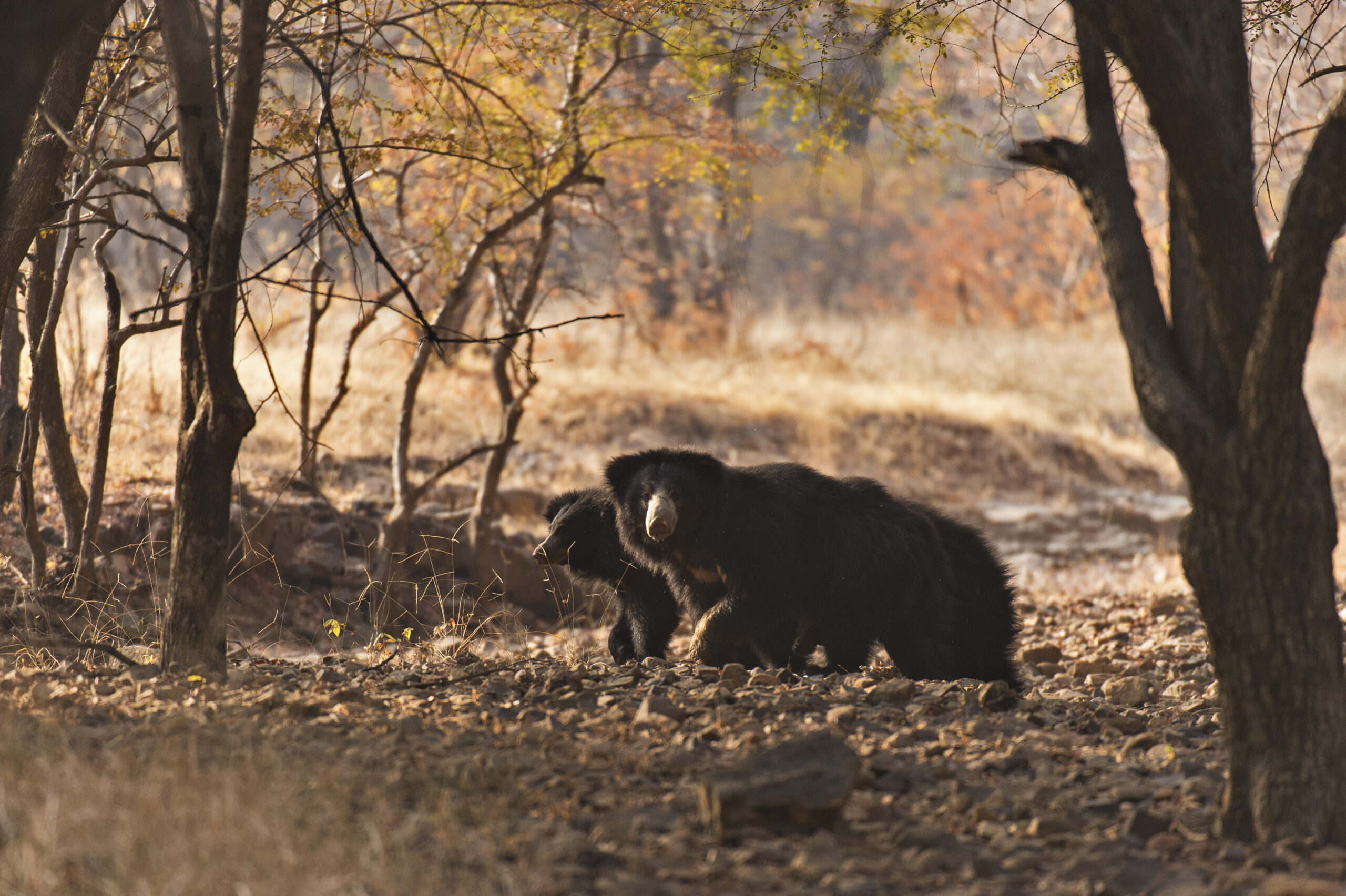
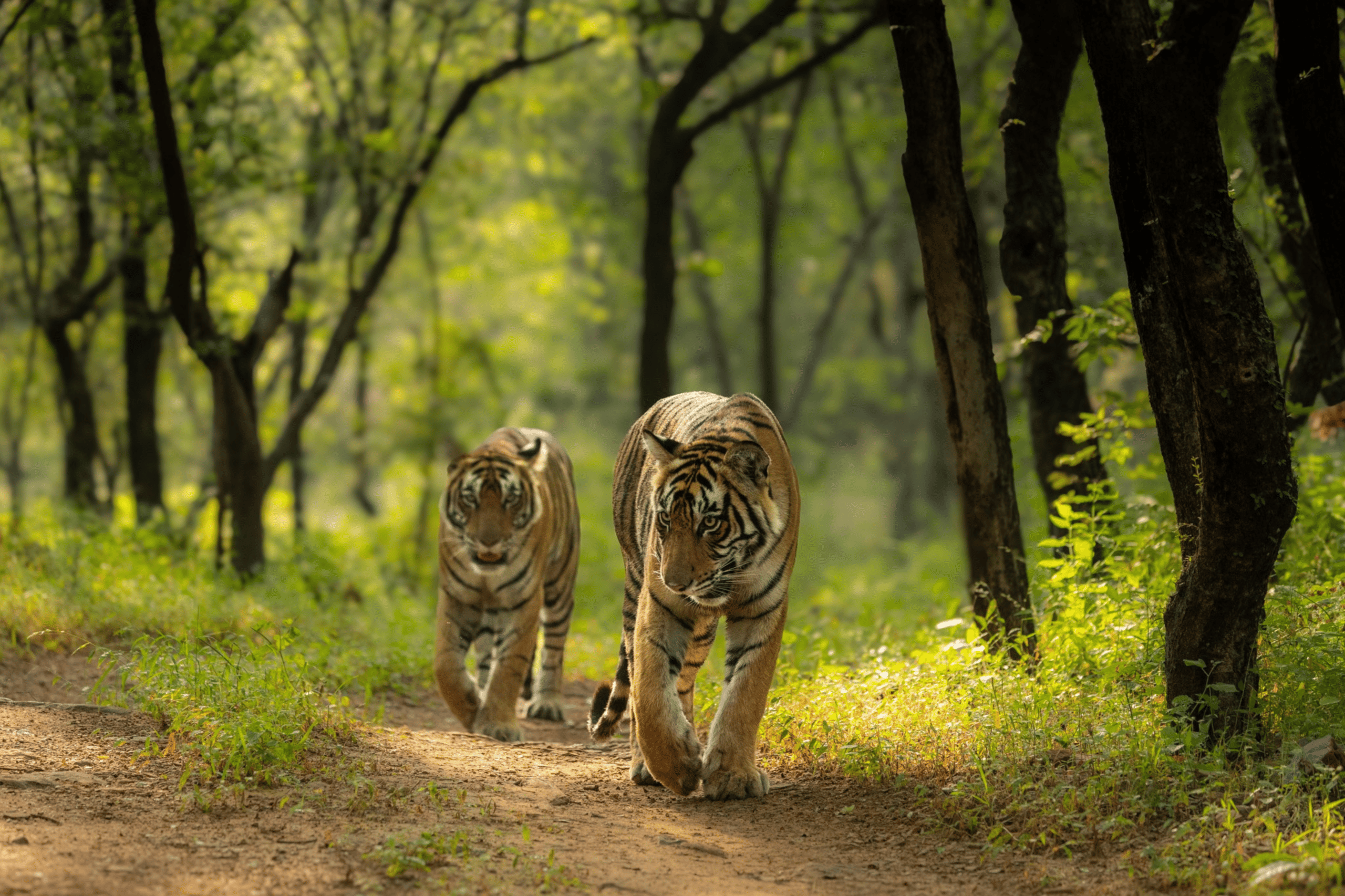
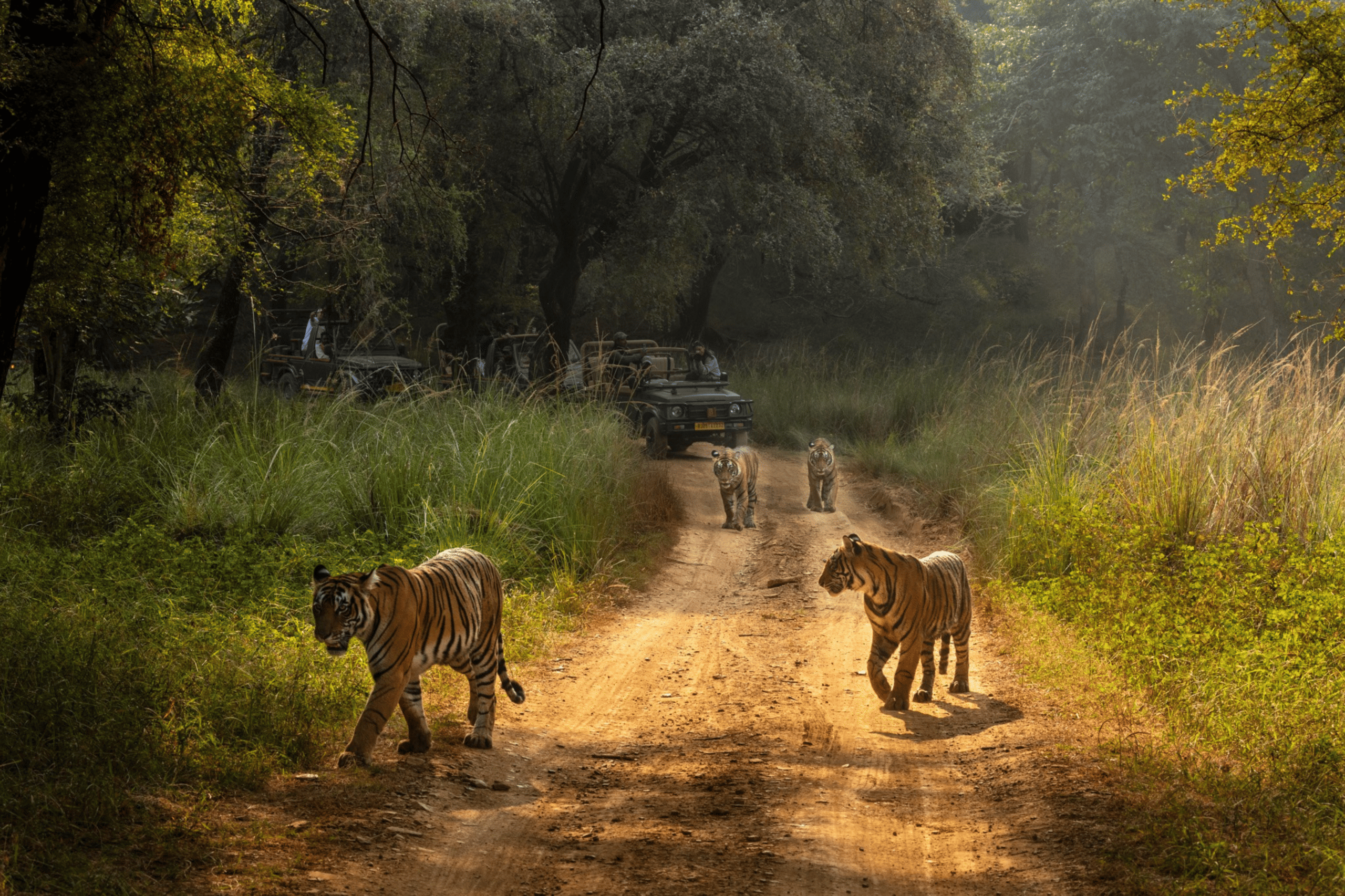
Water is another defining part of Ranthambore’s geography. The Banas River divides the wider Tiger Reserve into two parts, while the Chambal River forms its eastern side. This combination of hills, valleys, forests and water bodies creates varied habitats for species such as tiger, leopard, sloth bear, sambar, chital, nilgai, langur and a remarkable diversity of birds. The area’s geography also changes noticeably with the seasons, transforming the appearance of the forest from lush during the monsoon to much drier and more open during the summer.
| Geographic Feature | Key Detail |
|---|---|
| Location | Southeastern Rajasthan, India |
| Gateway | Sawai Madhopur |
| Distance from Sawai Madhopur | Approx. 14 km |
| Mountain Landscape | Aravalli–Vindhya transition zone |
| Major Rivers | Banas & Chambal |
| Terrain | Hills, valleys, rocky outcrops, grasslands & lakes |
| Forest Type | Dry deciduous forest |
| Elevation of Sawai Madhopur district | Approximately 450–600 m |
| Climate | Semi-humid with hot summers and seasonal monsoon rainfall |
| National Park Area | Approx. 392 km² |
| Tiger Reserve | Extends across Sawai Madhopur, Karauli, Bundi and Tonk districts |
The district-level elevation and climate figures come from the Government of Rajasthan’s environmental plan, while the reserve’s location and river geography come from the Rajasthan Forest Department.
Hills & Valleys
Create natural movement corridors and different viewing landscapes.
Water Bodies
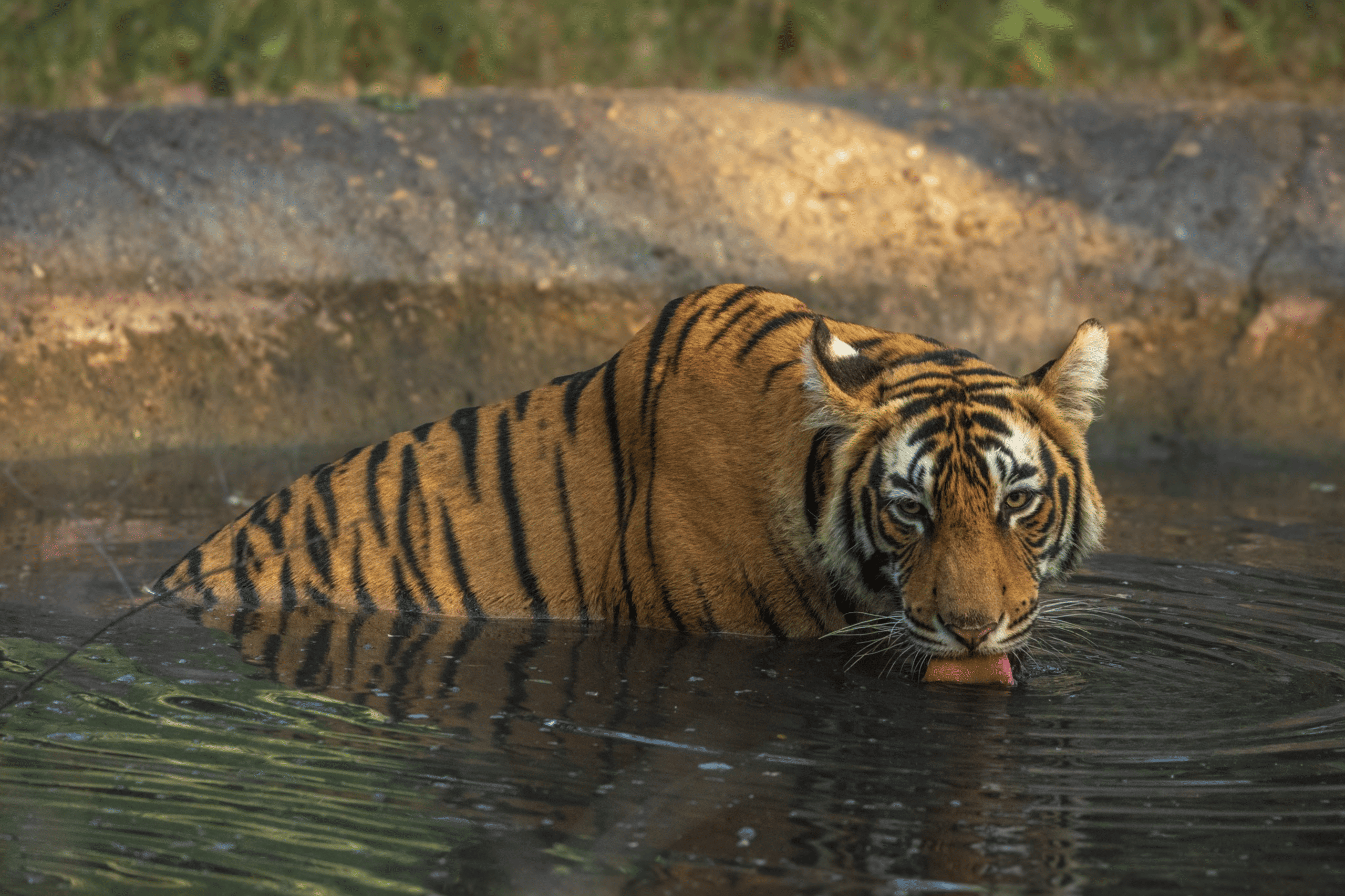
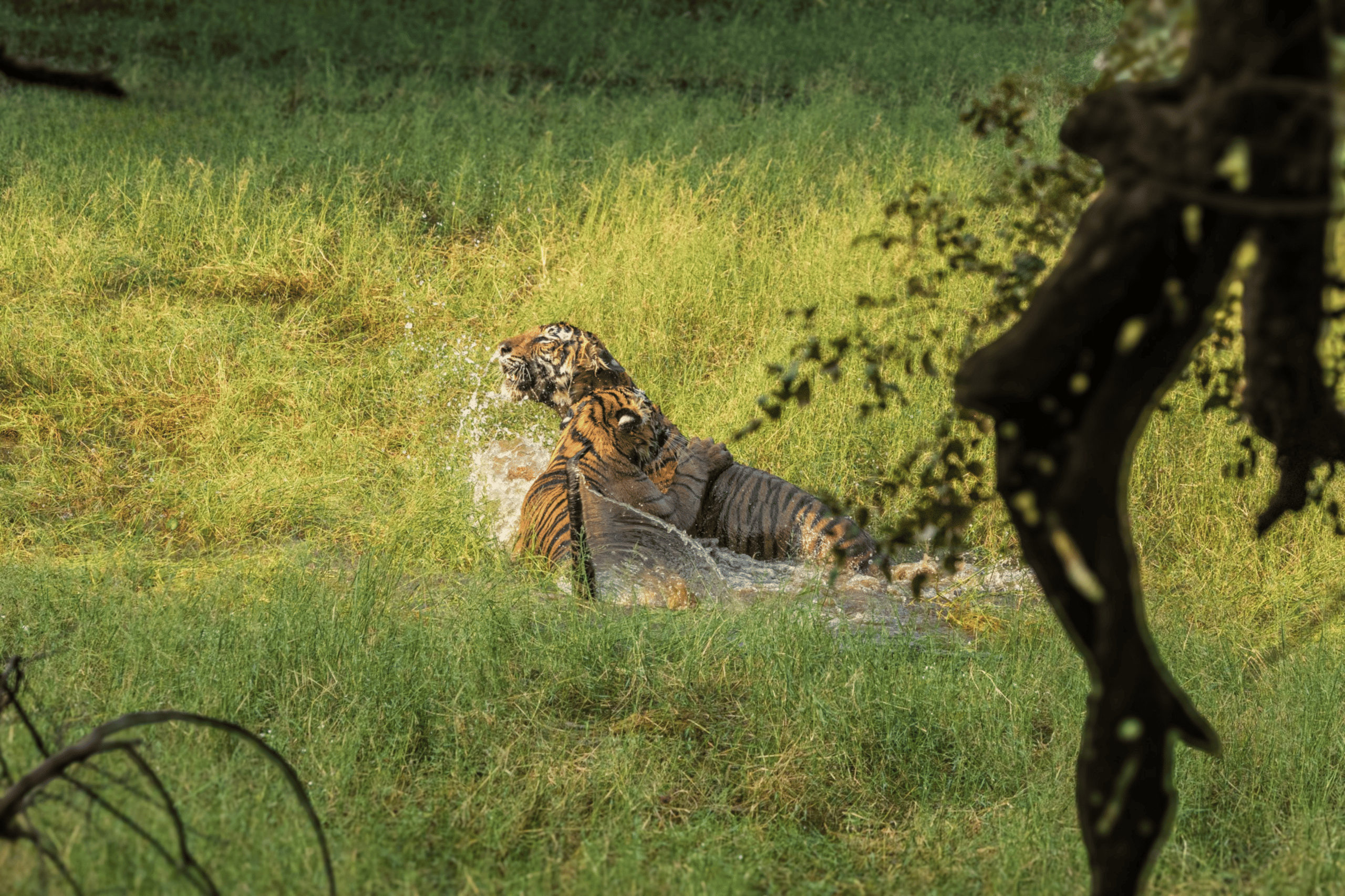
Provide essential water sources for wildlife, particularly during the hotter months.
Open Grasslands
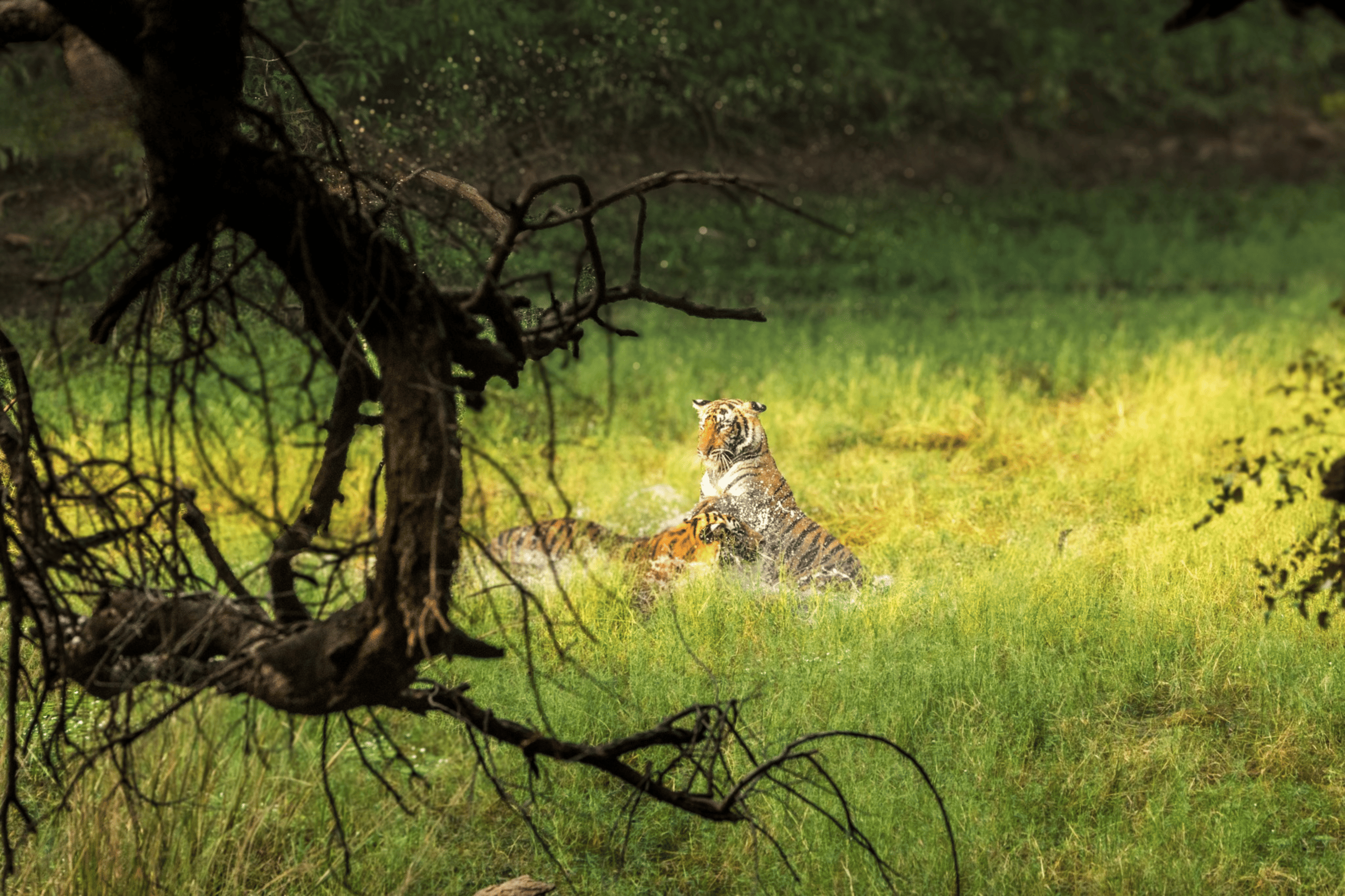
Support herbivores such as chital, sambar and nilgai, which form an important part of the tiger’s prey base.
Dry-Deciduous Forests
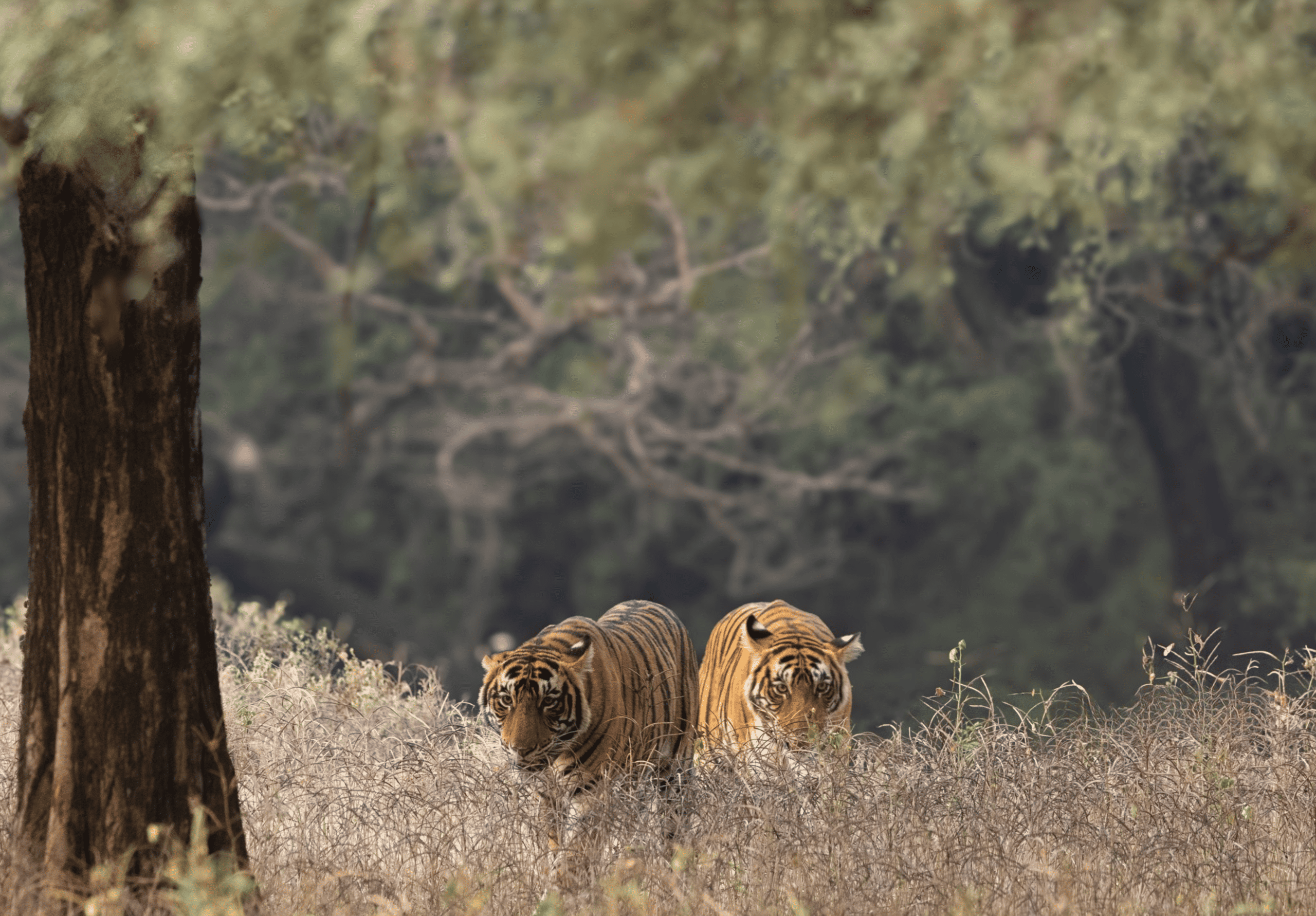
Create a changing landscape where visibility, vegetation and animal movement vary considerably through the seasons.
A Landscape Shaped by Nature
Ranthambore’s geography is more than a backdrop to the safari — it is one of the reasons its wildlife landscape is so distinctive.
You might also like....